
Reviewed · FOOD & DRINK
Private Ugandan Food Cooking Class and Culture Experience
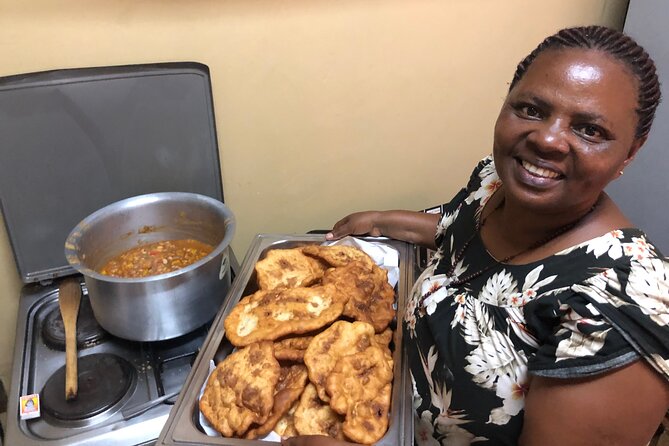
Ugandan food comes into focus here through the people who make it. You’ll visit a local market with Sylvia and her daughter Helen, choose the ingredients, then return to a traditional family home to cook about three dishes over fire and eat together. It feels closer to being welcomed into daily life than attending a polished demonstration.
I like the market stop, where you see the ingredients before they reach the cooking pot. I also like the family setting: tea on arrival, music and dancing, hands-on preparation, and a generous lunch shared around the table. The main consideration is the meeting point. The experience is described as being in Kampala, but the stated start address is 61 Kiwafu Road in Entebbe, so check your transport plans carefully.
Key points
- Market shopping with Sylvia and Helen: Choose fresh produce before cooking, rather than watching food preparation from the sidelines.
- Traditional fire cooking: Recipes are prepared in a Ugandan home using methods Sylvia learned while growing up in a rural village in western Uganda.
- Private group setting: Only your party takes part, making it easier to ask questions and request dietary changes.
- Three recipes and a full lunch: You begin with spiced tea, cook several dishes, then sit down to eat what you helped prepare.
- A family-led cultural visit: Dancing, laughter, and time with Sylvia’s family are central to the afternoon.
- Flexible food options: The recipes can be made gluten free, vegetarian, or dairy free when requested in advance.
From Entebbe Market to a Ugandan Family Kitchen
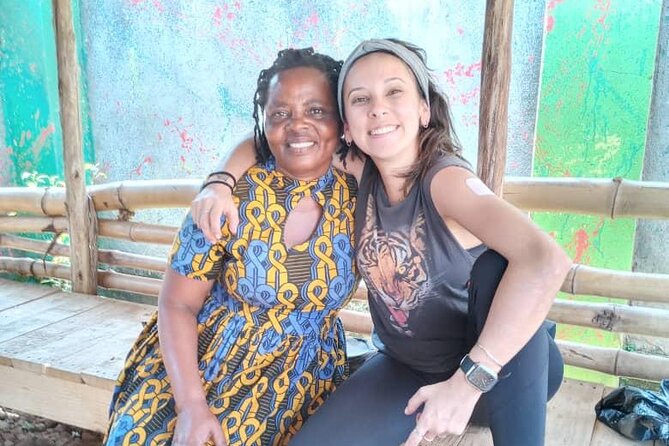
This is a food experience built in two parts. First, you shop. Then you cook. That simple order matters because you get to see the connection between the market stall and the meal on your plate.
The meeting point is 61 Kiwafu Road in Entebbe, although the experience is also described under Kampala. If you are staying in Kampala, do not assume the address is in the city center. Confirm the exact pickup and meeting details before booking, especially if you are arranging a tight airport connection or another tour on the same day.
Once you arrive, Sylvia greets you with traditional Ugandan spiced tea. It is a small detail, but a good one. You are not rushed straight into chopping vegetables. The tea gives you a few minutes to settle in, meet the family, and get a feel for the relaxed tone of the visit.
The experience lasts about three and a half hours. That is long enough for the market visit, food preparation, cooking, conversation, and lunch without turning the day into a marathon. It ends back at the meeting point.
A few more Kampala trips to weigh up
- Cooking Class for Typical Ugandan Food in Kampala
★ 5.0 · 25 reviews - Like a local cooking Tours
★ 4.0 · 4 reviews
Choosing Ingredients at the Local Market
The market visit gives this cooking class its strongest sense of place. You do not begin with a prepared basket of ingredients chosen by someone else. You go with Sylvia and Helen, look at what is available, and help select the produce used for the meal.
I like this part because it gives you useful context without turning the outing into a lecture. You see the raw ingredients before they are cleaned, chopped, seasoned, and cooked. For anyone interested in Ugandan food, that link is valuable. It helps you understand that local cooking starts with what is fresh and available, not with a fixed restaurant menu.
The market also adds a practical local experience to the day. You are walking through a place where people shop for ordinary meals, not visiting a staged food display made only for tourists. The available information does not specify the exact market, the distance walked, or the particular produce on offer, so you should expect a genuine market visit without assuming a set list of stops.
This is also where you can ask about unfamiliar ingredients. Sylvia’s background in a rural village in western Uganda gives the food preparation a personal connection. She is not simply presenting a recipe card. She is passing on methods learned at home, including ways of cooking that are becoming less common as food preparation becomes more westernized.
Cooking Three Recipes Over Fire
Back at the family home, you help prepare about three recipes. The precise dishes are not fixed in the information provided, so the meal may depend on the market’s produce, the season, and the needs of your group. That flexibility is a benefit, but anyone hoping to learn one specific dish should ask ahead of time.
The cooking is done traditionally over fire. This is more than a visual touch. Fire cooking changes the flavor and gives the food a smoky quality that you will not get from every modern kitchen. It also means the class is about method as much as ingredients.
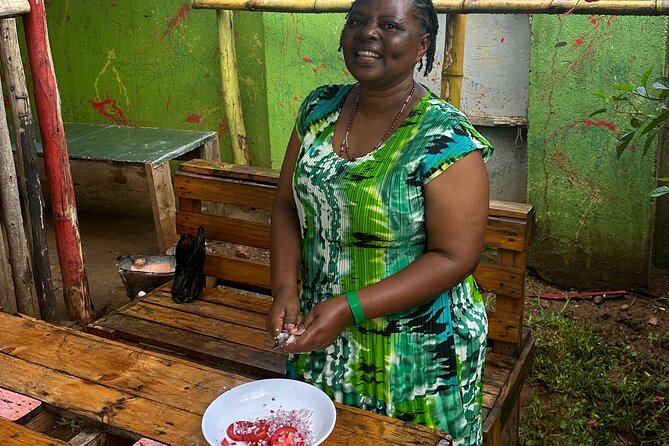
You should expect to take part rather than simply watch Sylvia cook. The experience is designed around shared preparation, so you may help with tasks such as selecting, cleaning, chopping, mixing, or tending parts of the meal. The supplied details do not promise a formal recipe booklet or a professional kitchen setup, and that is worth understanding before you book. The appeal is home cooking with a local family, not a technical culinary school.
I would ask for dietary changes when you book. The recipes can be adapted to be gluten free, vegetarian, or dairy free, but the request needs to be made in advance. Alcohol is not included, while coffee and tea are provided.
A Home Visit With Sylvia, Helen, and the Family
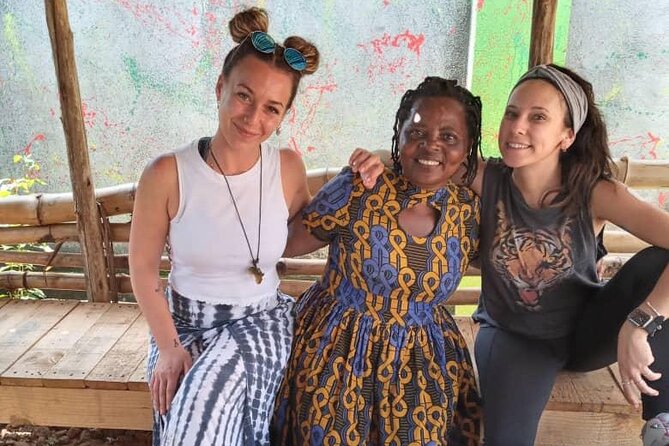
The people are a major part of the experience. Sylvia is described as warm, cheerful, and strongly focused on bringing people together through food. Her daughter Helen joins the market visit and cooking, giving the afternoon a family feel rather than a one-person presentation.
You may dance, laugh, talk, and spend more time with the family than the scheduled three and a half hours suggests. Some of the strongest praise for this experience centers on the welcome and the feeling of being included in the household. One account describes staying for hours and feeling like part of the family. That suggests the pace can be generous and social, though you should still allow extra time if you have later plans.
This is a useful distinction. If you want a quick cooking lesson with precise timings, this may feel loose. If you want food to open a door into family life, the informality is the point.
The private format helps. Only your group takes part, so you do not have to compete with a large class for attention. You can ask about cooking traditions, family life, ingredients, and the changes affecting Ugandan food. You can also take part at your own comfort level. Some people will want to chop and stir everything; others will prefer to watch, talk, and learn.
Same base, a completely different kind of trip:
- 3 Hours Guided Cycling Tour Across Lake Victoria
★ 5.0 · 151 reviews - Kampala’s Best Experience walking tour
★ 5.0 · 137 reviews - 3 Days gorilla trekking Safari tour in Uganda
★ 5.0 · 121 reviews - Lake Victoria Island Cycling Tour from Kampala
★ 5.0 · 120 reviews
Spiced Tea First, Lunch at the End
Food is included as lunch, and the meal is made from the ingredients you helped choose and prepare. Portions are described as generous, so this should feel like a proper midday meal rather than a few tasting bites.
The lunch is also the payoff for the market and kitchen work. You are not sampling food prepared hours before your arrival. You sit down with the family and eat the dishes made during the session. That shared meal is one of the best ways to understand the food because you can connect each dish with the method and ingredients you just handled.
Traditional Ugandan food can be unfamiliar to first-time visitors, and a family meal gives you room to ask questions without feeling self-conscious. You can find out how a dish is normally served, which ingredients matter most, and how the food fits into everyday life.
Coffee and tea are included. Alcoholic drinks are not, so do not expect this to be a beverage-pairing class or a nightlife activity. The focus stays firmly on food, conversation, and hospitality.
Why the $45 Price Can Be Good Value
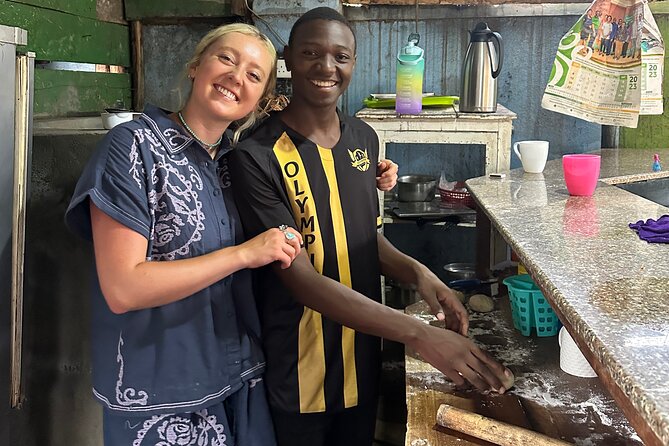
At $45 per person, the price covers more than a cooking lesson. You receive a market visit, an English-speaking guide, about three recipes, the cooking session, lunch, tea or coffee, and a private group format.
The value depends on what you want from a food activity. If you measure a tour only by the number of dishes taught, you may find cheaper cooking demonstrations elsewhere. Here, you are also paying for the family setting, the market connection, the time spent preparing the meal, and the chance to learn traditional fire cooking.
I think the price makes the most sense for people who want a cultural visit with food at its center. You are not merely buying lunch. You are buying an afternoon of participation, conversation, and access to a home-based way of cooking that is difficult to experience through a standard restaurant meal.
The private format is another point in its favor. A group of two, a family, or a small party can shape the conversation and request dietary adjustments. Solo participants may pay the same per-person price, but the experience can still work well if you value personal contact and are comfortable joining a family activity.
Who Will Enjoy This Most
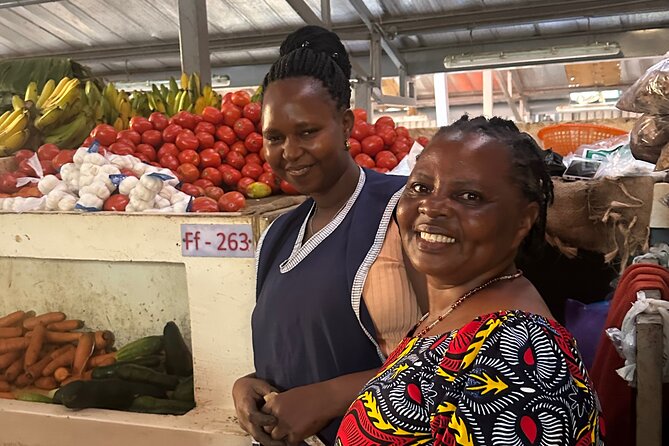
This suits curious eaters, solo visitors, couples, families, and anyone who prefers meeting local people over ticking off a list of sights. You do not need professional kitchen skills. The emphasis is on joining in, learning by doing, and sharing the meal.
It is especially appealing if you want to understand Uganda through ordinary food traditions. Sylvia’s upbringing in western Uganda gives the experience a clear personal foundation, and the use of local produce and fire cooking adds substance beyond a generic international cooking class.
Families should find the market, dancing, and hands-on food preparation engaging, though the provider does not give a specific minimum age. Ask before booking if you are traveling with young children or need particular arrangements.
This may be less suitable if you dislike informal visits, prefer a tightly timed schedule, or need a guaranteed menu. The exact recipes are not listed, and the experience may run at a relaxed family pace. That is part of its charm, but it is not the right fit for every style of sightseeing.
Practical Details Before You Book
The experience is a private activity, and confirmation is received at booking. It is near public transportation, but the supplied information does not state a pickup service, so plan to reach 61 Kiwafu Road yourself unless the provider confirms another arrangement.
The tour ends at the same meeting point. Because the advertised location says Kampala while the start address is in Entebbe, verify the address in writing. This is the most important practical point, since a mistaken assumption could affect your transport and timing.
The activity offers a mobile ticket, which is useful when you are carrying your booking details on your phone. Bring an appetite and wear clothing that allows you to work comfortably around food and fire. The provider does not specify dress requirements, equipment, or the exact amount of walking at the market, so ask if any of those details matter to you.
You can cancel for a full refund if you do so at least 24 hours before the start time. Cancellations or changes made within 24 hours are not refunded or accepted, and the cut-off uses local time.
Is Sylvia’s Cooking Experience Worth Booking?
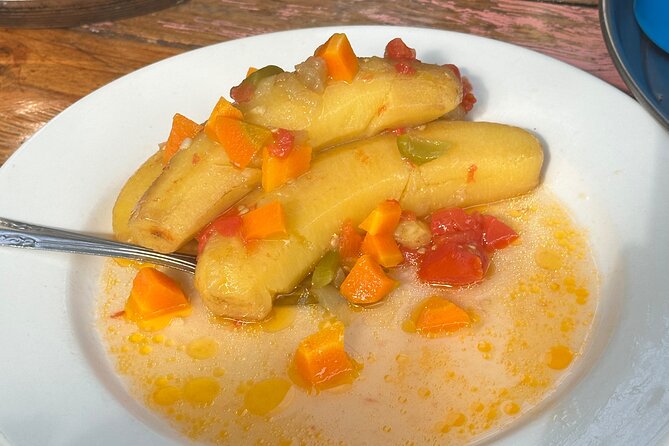
I would book this if you want a personal introduction to Ugandan food and family life, not just a lesson in kitchen technique. The market visit, traditional fire cooking, generous lunch, and time with Sylvia and Helen give the experience a human scale that many food tours miss.
Before paying, confirm the Entebbe meeting address, request any dietary changes, and ask if you need a particular dish or menu. If you want a polished class with a fixed recipe list, look elsewhere. If you want to shop for ingredients, cook in a traditional home, dance a little, laugh a lot, and eat with the people who welcomed you in, $45 is a fair price for the afternoon.
FAQ
Where does the cooking experience begin?
It begins at 61 Kiwafu Road in Entebbe, Uganda. The experience information also refers to Kampala, so confirm the exact location before making transport plans.
How long does the activity last?
The experience lasts approximately 3 hours and 30 minutes and ends back at the meeting point.
Is this a private activity?
Yes. Only your group participates in the activity.
What food and drinks are included?
Lunch is included, along with traditional Ugandan spiced tea on arrival and coffee and/or tea. Alcoholic beverages are not included.
How many recipes will I cook?
You will cook about three recipes during the experience. The exact dishes are not specified in advance.
Can the food be adapted for dietary needs?
Yes. The recipes can be prepared gluten free, vegetarian, or dairy free when requested.
Who leads the experience?
Sylvia leads the experience with help from her daughter Helen and the family.
What is the cancellation policy?
You can receive a full refund if you cancel at least 24 hours before the start time. Cancellations or changes made less than 24 hours before the experience are not refunded or accepted.
More Workshops in Kampala
- Kampala: Hands-On Chocolate Making Experience
★ 4.9 · 18 reviews
More Food in Kampala
- Kampala: Three-Hour Food Tour
★ 4.6 · 15 reviews - Nighttime Boda Boda Street Food Tour
★ 5.0 · 6 reviews - Fishing Village Food Tour & Luwombo Stop
★ 5.0 · 3 reviews
Just added around Kampala
- 7-Day Uganda Adventure Safari – Midrange Lodges★ 5.0 · 3 reviews
- Entebbe kampala airport transfers★ 5.0 · 3 reviews
- 5 days gorillas and chimpanzee tracking★ 4.5 · 3 reviews
- 3 Days Murchison Falls Wildlife Safari★ 4.5 · 3 reviews
- A Thrilling 1-Day Rhino Tracking Tour in Uganda★ 5.0 · 3 reviews
- 4-Day QENP, Gorillas in Bwindi and Lake Bunyonyi relaxation★ 5.0 · 3 reviews
- Kampala: Female-Guided Walking Tour★ 3.7 · 3 reviews
- 3 Days Private Tour in Murchison Falls National Park★ 5.0 · 3 reviews
Food & Drink, compared.
Cooking Class for Typical Ugandan Food in Kampala
Read our review →
Browse the lists this tour appears in