
Reviewed · KAMPALA WALKING TOURS
Steve Kampala Walking tours (Airpals Safaris tour)
Kampala makes the most sense when you walk through its contrasts: university grounds, a hillside cathedral, crowded taxi ranks, open-air markets, and neighborhoods where daily life unfolds right beside the city center. This tour gives you that broad view in about half a day, with local guides such as Steve, Getrude, or Ben leading the way.
I like the small group of up to 10 and the range of stops. You get practical city orientation, a short lesson on Uganda’s political past, time to look at local food and crafts, and a view over Kampala from Namirembe Cathedral. The route also visits places you might not choose on your own, including Katanga Slum and Kampala’s old taxi park.
The main caution is pace and consistency. The tour is sold as roughly four hours, but one guest found it ended after three, and the experience can depend heavily on the guide’s energy and commentary that day. The route covers a lot, so some stops are brief rather than fully explained.
Kampala in Four Hours: What This Walk Is Really About
This is not a polished monument tour. It is an introduction to Kampala as a working city, where history, commerce, religion, transport, and ordinary routines sit close together.
You begin at Makerere University and finish at Namirembe Cathedral, according to the main route. The meeting information also says that the first part ends at the cathedral and a second part ends at Kasubi Tombs, but Kasubi is not included among the ten listed stops. Confirm the exact ending before you set out.
The price is $28 per person. That is a fair price if you want a guide to explain the city, help you move through unfamiliar areas, and answer questions as you go. It is less compelling if your main aim is simply to see monuments from the outside. Several stops are short, and admission is listed as free at every point.
The tour runs in the morning or afternoon, uses a mobile ticket, and is capped at ten people. That size matters in markets and crowded streets. You are less likely to lose the guide than you would be in a large group, and there is a better chance to ask about what you are seeing.
Starting at Makerere University
The walk begins at the main gate of Makerere University, where you spend about 15 minutes walking through the grounds.
This is a useful opening because it places Kampala in an academic and civic setting before the route moves into denser streets. You can ask about the university, the city, and Uganda’s wider political setting while you are still getting comfortable with the guide.
The stop is short, so do not expect a full campus tour. Think of it as a starting point and a chance to get your bearings. If you want more explanation here, ask direct questions. The strongest guides on this tour are described as patient, flexible, and willing to adjust their commentary to your interests.
More walking tours of the capital:
- Kampala Walking City Tours (Women Guided)
★ 5.0 · 115 reviews - Kampala Walking Tour (3 Hours) with Optional Gaddafi Mosque Visit
★ 5.0 · 112 reviews - Inside Kampala Walking Tour (Female Guided)
★ 5.0 · 52 reviews
Katanga Slum and the Human Side of Kampala
Next comes a 20-minute walk through Katanga Slum. This is one of the tour’s most confronting stops, and it gives you a broader picture of how people live in the capital.
It is also the point where your attitude matters most. You are entering a residential area, not a theme park. Listen carefully, avoid treating people’s homes as scenery, and follow the guide’s advice about photographs. The value of this stop comes from context and respectful explanation, not from rushing through to collect pictures.
Some guests find the visit emotional and humbling. Others have found that this part felt too quiet or too hurried when the guide did not explain enough. That difference tells you something important: the guide’s approach matters greatly here. A good guide should explain the area with care and let you ask questions without turning hardship into spectacle.
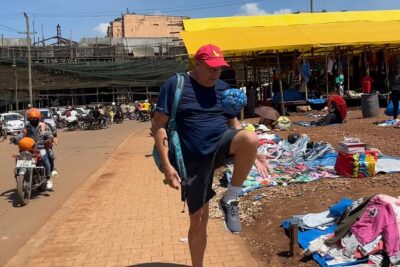
Bagala Craft Market and a Short Shopping Break
Bagala Craft is described as Kampala’s biggest craft market, with souvenirs and handmade goods. You get about 20 minutes to shop.
This is a practical stop if you want a small reminder of Uganda to take home. You might find carved items, decorative pieces, textiles, or other craft goods, though the exact stock can change. Use the time to compare prices and ask questions about materials and production.
Twenty minutes is enough for a first look, but not enough for a leisurely shopping session. If you are serious about buying several gifts, you may want to return later. The guided visit helps you locate the market, but it does not turn the tour into a dedicated craft-shopping excursion.
Independence Monument and Uganda’s Political Story
At the Independence Monument, the group sits for around 20 minutes while the guide explains Uganda before and after independence and the meaning of the monument.
This is one of the route’s strongest history stops. The monument gives the guide a fixed place to discuss national change, political events, and Uganda’s position in the region. It also gives your feet a short break after walking through the earlier parts of the route.
The quality of this stop depends on how much conversation you want. Guides have been praised for explaining Kampala’s political and geographic background, and for answering questions patiently. If you want more than memorized dates, ask how the monument relates to modern Uganda and Kampala today.
A few more Kampala trips to weigh up
- Kampala’s Best Experience walking tour
★ 5.0 · 137 reviews - Kampala: City Guided walking sightseeing Tour
★ 4.7 · 52 reviews - Kampala: 3-Hour Walking Tour with Optional Gaddafi Mosque
★ 4.6 · 50 reviews - Kampala Heart of Walking Adventure
★ 5.0 · 43 reviews
Nakasero Market: Fruit, Food, and Everyday Trade
Nakasero Market takes about 15 minutes. Uganda grows a wide range of food, and this stop gives you a chance to look at and taste different fruits.
The market adds an everyday note to the tour. Instead of seeing Kampala only through monuments and official buildings, you see food being sold and handled as part of normal city life. The short tasting opportunity can also help you notice fruits that may be unfamiliar to you.
Do not expect a full food tour. Fifteen minutes passes quickly, and the stop is mainly for observation and a taste. If food markets are a major interest, ask the guide questions as you walk. The value here lies in seeing how the city feeds itself, not in having a long meal.
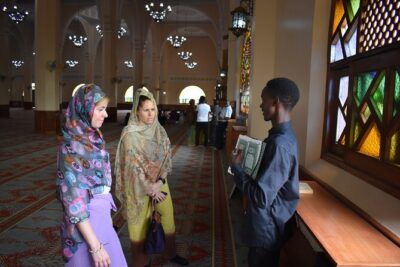
Temple SSDM Shree Sanatan Dharma Mandal
The tour then visits the Temple SSDM Shree Sanatan Dharma Mandal for about 15 minutes.
You go inside to see the temple’s architecture and beauty. This adds a religious and cultural layer to the day, and it breaks up the market and street scenes with a quieter interior.
The listed visit is brief, so you should see it as an introduction rather than a detailed religious tour. Dress and behave respectfully, and let the guide explain what is appropriate inside. The stop is especially useful if you want a route that includes more than Uganda’s majority Christian sites.
The World War II Memorial
The World War II Memorial takes about ten minutes. Here, the guide explains Uganda’s participation in the war, along with its positive and negative results.
This is a compact stop, but it widens the story beyond local and national events. It points to Uganda’s connection with international history and gives you another chance to ask how global events affected the country.
Ten minutes is not long enough for a full account of Uganda during the war. Still, it is a worthwhile pause if the guide provides clear context. If this subject interests you, ask for recommended museums or reading during the walk, though no additional stop is promised as part of this experience.
Kampala Old Taxi Park and Organized Chaos
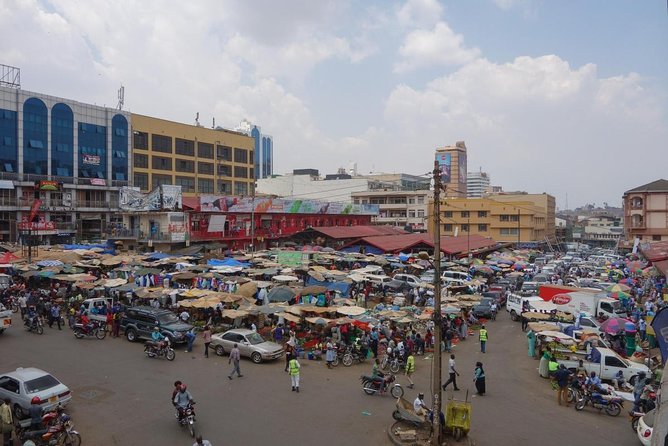
The old taxi park is one of the tour’s most vivid city scenes. Thousands of commuter taxis gather there, competing for passengers in a dense and noisy transport hub.
You spend only about ten minutes here, but that may be enough to understand why the park is such a useful place to observe Kampala. It shows the city in motion: vehicles arriving, passengers looking for routes, and drivers working within a crowded system.
This is a place to stay close to your guide. Keep your valuables secure, watch where you step, and do not drift away from the group. The park was singled out as a highlight by one guest, and I can see why. It is not pretty in the postcard sense, but it is direct, local, and central to how people move around Kampala.
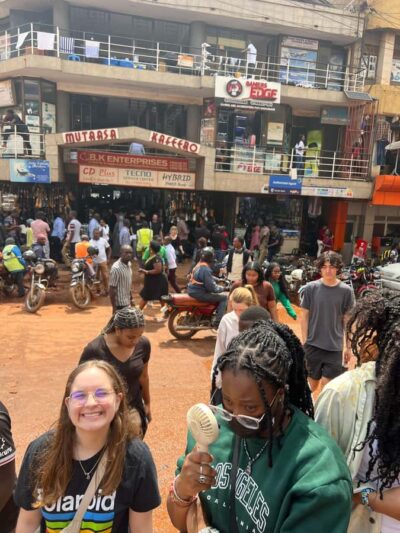
Owino Market: A Fast Look at Kampala Commerce
Owino Market, also called Kampala Market, is described as the city’s biggest market. It is known for second-hand clothing and a wide range of other goods.
The stop lasts about 15 minutes. That gives you a quick look at the market’s scale and energy, but not much time to browse. The guide can help you understand what is being sold and how the market fits into city life, provided you ask questions and the group does not need to hurry.
This is another area where comfort levels vary. If you dislike crowds or prefer slow, quiet sightseeing, you may find the stop intense. If you want to see Kampala’s commercial side, it is one of the most useful parts of the route.
Namirembe Cathedral and the View from the Hill
The walk ends at Namirembe Cathedral, also called Namirembe Kathedrale, on Cathedral Hill Road. The visit itself is listed as about ten minutes, with views across Kampala from the hilltop.
The view is a fitting final scene after the markets, roads, university, memorials, and neighborhoods below. It lets you pause and connect the different parts of the city you have just crossed on foot.
The short time here may feel insufficient if you want to study the cathedral or linger over the view. The endpoint can also feel abrupt if the guide does not clearly explain what happens next. Since the meeting information refers to a possible second ending at Kasubi Tombs, ask at the start which version of the route you are taking.
What the Guides Add to the Experience
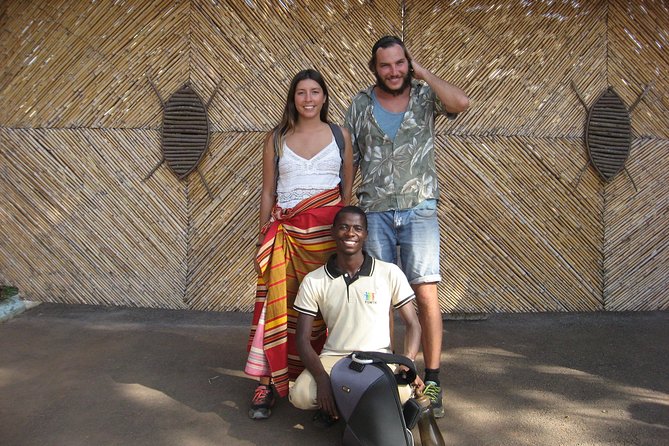
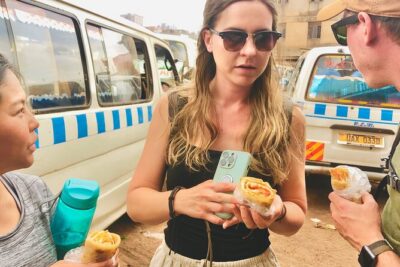
The guide is the most important part of this tour. Steve is described as friendly, helpful, and willing to offer practical advice about getting around Kampala. One guest also appreciated his help arranging an Uber and waiting until it was on the way. Another said he helped with a first Rolex, meaning the local slang for a chapati-and-egg street wrap, not a luxury watch.
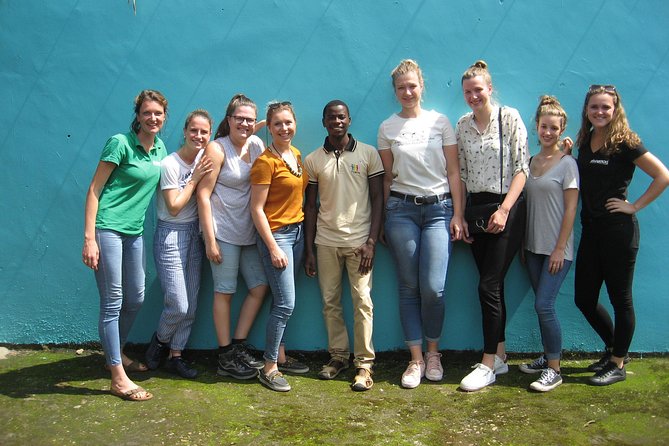
Getrude and Ben are also named as guides. Getrude is praised for explaining the city and its past, while Ben is described as friendly and well informed about history and local culture. That gives you some confidence that the company uses more than one guide, but it also means your experience may vary from one departure to another.
The strongest accounts describe a guide who is flexible, patient, and willing to adapt the walk to physical limits or personal interests. A weaker experience can feel like a set speech delivered on autopilot, with too much silence while walking and too little explanation inside markets or residential areas.
My advice is simple: ask questions early. Tell the guide what interests you, such as politics, food, religion, transport, architecture, or daily life. This is a much better way to turn a fixed route into a useful conversation.
Walking Conditions, Timing, and Practical Value
The tour lasts about four hours, but the stated times for the ten stops add up to roughly two hours and 30 minutes. The rest is walking between locations, crossing through busy parts of the city, and listening along the way.
That means you should not read the stop times as ten long visits. Several places receive only ten or 15 minutes. The route covers a lot of ground, which is useful for orientation but can make the experience feel rushed.
Wear comfortable shoes and bring water. The tour requires walking through markets, streets, a taxi park, and a slum area. The information says most people can participate, and service animals are allowed. It also notes that the route is near public transportation.
The group maximum of ten is a real advantage. You can hear the guide more easily, stop for photographs without holding up a large crowd, and ask for help if you need to arrange transport at the end.
The tour requires good weather. If poor weather cancels it, you are offered another date or a full refund. You can cancel for a full refund up to 24 hours before the start time. Inside that 24-hour window, refunds are not available.
Is $28 a Fair Price?
At $28, you are paying for local guidance and a quick introduction to several sides of Kampala, not for entry tickets. Admission is free at the listed stops, and much of the appeal comes from access, explanation, and route planning.
I think the price works best for a first day in Kampala. You can see where the markets and transport hubs are, learn some national history, and get advice about moving around afterward. A guide may also make you feel more at ease in places you would not visit alone.
The value drops if the commentary is thin or the walk ends early. One guest felt the experience was worth much less after receiving limited explanation and only about three hours on the route. That criticism is specific, but it points to a fair concern: with so many brief stops, the guide must keep the walk engaged.
Who Should Book This Kampala Walk?
I would choose this tour if you want:
- A quick first look at Kampala before exploring on your own
- A small group rather than a large coach outing
- Markets, transport hubs, and ordinary neighborhoods alongside monuments
- Historical and political explanation during the walk
- Help understanding where to shop, eat, or arrange local transport
- A route that can be adjusted to your interests or physical limits
I would think twice if you want long visits inside monuments, a slow photography walk, or a tightly timed four-hour experience with detailed commentary at every stop. You may also prefer a private guide if Katanga Slum, Owino Market, or the taxi park requires more time and explanation for you.
Should You Book Steve Kampala Walking Tours?
Yes, if your goal is to get a quick, honest orientation to Kampala and you value local context over polished sightseeing. The route covers an unusually wide mix of places, and the best guides, including Steve, Getrude, and Ben, can make the city easier to understand.
Book with realistic expectations. This is a fast city walk, not ten full tours in one morning. Confirm the final stop, ask for the pace and timing at the start, and speak up if you want more explanation at the markets or memorials. If those details matter to you, the $28 price can be good value. If not, you may prefer to explore the easier stops independently and spend your money on a longer private walk.
FAQ
How much does the Kampala walking tour cost?
The tour costs $28 per person.
How long does the tour last?
The advertised duration is approximately four hours. One account found the walk ended after about three hours, so confirm the expected timing with the guide at the start.
How many people can join the tour?
The group is limited to a maximum of 10 people.
Are morning and afternoon tours available?
Yes. You can choose between morning and afternoon tour options.
Where does the tour start?
The meeting point is Kampala, Uganda, at the main gate of Makerere University.
Where does the tour end?
The main route ends at Namirembe Cathedral on Cathedral Hill Road. The meeting information also refers to a second part ending at Kasubi Tombs, but Kasubi Tombs is not included in the listed ten-stop route. Confirm the endpoint before beginning.
Which places are included?
Stops include Makerere University, Katanga Slum, Bagala Craft, the Independence Monument, Nakasero Market, Temple SSDM Shree Sanatan Dharma Mandal, the World War II Memorial, Kampala Old Taxi Park, Owino Market, and Namirembe Cathedral.
Is the tour suitable for most people?
The information says most people can participate. It is a walking tour through markets, streets, a taxi park, and a slum area. Service animals are allowed.
Can I cancel for a refund?
You can cancel up to 24 hours before the start time for a full refund. Cancellations or changes made less than 24 hours before the start are not refunded or accepted. If poor weather or an insufficient number of participants cancels the experience, you are offered another date or a full refund.
Just added around Kampala
- 7-Day Uganda Adventure Safari – Midrange Lodges★ 5.0 · 3 reviews
- Entebbe kampala airport transfers★ 5.0 · 3 reviews
- 5 days gorillas and chimpanzee tracking★ 4.5 · 3 reviews
- A Thrilling 1-Day Rhino Tracking Tour in Uganda★ 5.0 · 3 reviews
- 4-Day QENP, Gorillas in Bwindi and Lake Bunyonyi relaxation★ 5.0 · 3 reviews
- 3 Days Murchison Falls Wildlife Safari★ 4.5 · 3 reviews
- Kampala: Female-Guided Walking Tour★ 3.7 · 3 reviews
- 3 Days Private Tour in Murchison Falls National Park★ 5.0 · 3 reviews
Kampala Walking Tours, compared.
Browse the lists this tour appears in