
Reviewed · KAMPALA WALKING TOURS
Kampala City Tour – Half Day
Kampala makes more sense when you see its royal compounds, busy markets, hilltop views, and places of worship together. This private tour gives you that broad picture, from Kabaka’s Palace and Kasubi Tombs to the minaret of Gaddafi National Mosque, where you can look across Kampala’s famous seven hills.
I like the personal attention from a guide such as Matthew, whose energy and clear explanations have made this tour especially useful for first-time visitors. I also like the practical setup: hotel transfer, an air-conditioned vehicle, water, entrance fees, a window seat, a route map, and souvenir photos are all included.
The main drawback is the pace. Six or seven hours is a lot of ground to cover, and traffic can affect how long you spend at each stop. The Uganda Museum is also closed for renovation until late 2025, so check what will actually be open on your date.
Key points at a glance
- See Kampala through Buganda’s royal story: Kabaka’s Palace, Bulange, the Royal Mile, and Kabaka’s Lake give useful context for the kingdom that shaped the city.
- Climb Gaddafi National Mosque’s minaret: The 360-degree view is one of the tour’s strongest moments, with Fort Lugard and Kampala’s seven hills below.
- Travel privately in an air-conditioned 4WD minibus: You avoid being folded into a large group and can ask your guide to explain what you are seeing.
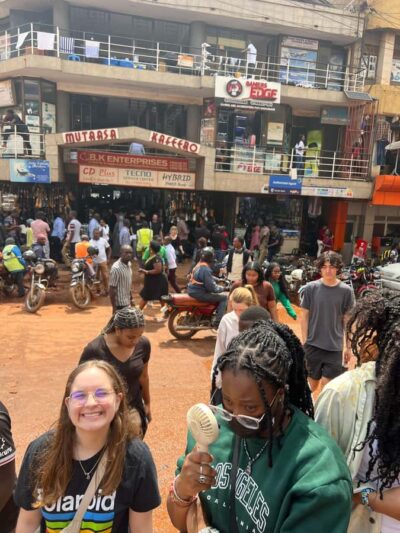
- Mix major sights with everyday Kampala: Nakasero Market, Kalerwe Market, Hindu temples, and city-center monuments add local texture to the historic stops.
- Plan around two closures: The Baha’i Temple is closed on Mondays, and the Uganda Museum is under renovation until late 2025.
- Expect a culture-heavy day rather than a food tour: Lunch is not included, and optional purchases or activities cost extra.
A useful first look at Kampala
Kampala is not a city you understand from a single viewpoint. Its story includes the Buganda Kingdom, colonial-era administration, religious communities, national government, universities, markets, and modern urban life. This tour works because it connects those pieces instead of showing only one type of attraction.
You begin around Kampala’s central business area, passing the Independence Monument, Mutesa II Monument, World War II Monument, Parliamentary Building, Bank of Uganda, Uganda National Cultural Centre, and Kampala Capital City Authority headquarters. These stops are mainly viewed from the vehicle, so think of this opening section as an orientation drive rather than a series of long visits.
That arrangement suits you if you have limited time in Kampala. Your guide can explain what each building represents while you watch the city move around you. It also means you will not spend the morning getting out, taking a few photos, and climbing back into the vehicle at every monument.
More walking tours of the capital:
- Kampala Walking City Tours (Women Guided)
★ 5.0 · 115 reviews - Kampala Walking Tour (3 Hours) with Optional Gaddafi Mosque Visit
★ 5.0 · 112 reviews - Steve Kampala Walking tours (Airpals Safaris tour)
★ 5.0 · 89 reviews
Nakasero Market and Kampala’s street life
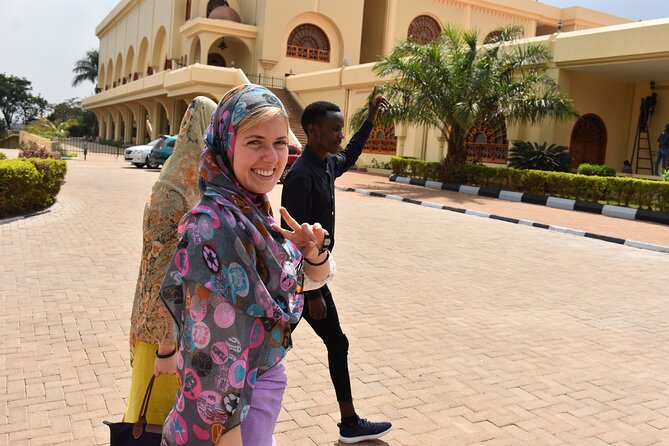
Nakasero Market has operated in its current city-center location since 1905, after an earlier start at Lubiri in 1895. The market is a good place to see the practical side of Kampala, with stalls selling spices, textiles, fresh produce, and other everyday goods.
You may have time to browse or make purchases, but this is not presented as a dedicated shopping excursion. Keep your expectations sensible: the stop adds color and context to the route, while your guide helps explain what you are seeing. If you want to buy something, carry small amounts of cash and allow time for looking without letting the market stop consume the rest of the day.
The route also passes Hindu temples, including Shree Swaminarayan Mandir. This is one of the tour’s better features because Kampala’s religious life is not reduced to one tradition. You see Christian, Muslim, Hindu, and Baha’i influences across different parts of the city.
Kabaka’s Palace and the Buganda royal route
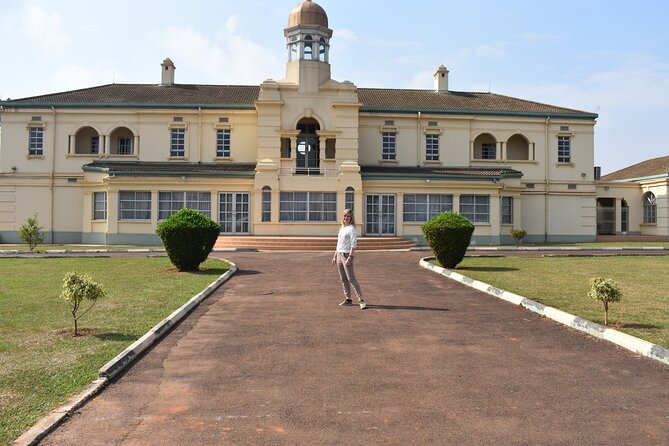
Kabaka’s Palace is one of the most important stops. The visit covers Buganda’s royal story, including the palace pictorial, Idd Amin’s Armory, and a historical machine gun. The palace is not simply another grand building. It helps explain the place of the Kabaka, or king, in Buganda’s past and present.
The armory and palace displays also bring difficult parts of Uganda’s political past into view. Your guide’s explanation matters here, since the objects alone cannot tell you how royal authority, national politics, and later events fit together.
The wider Buganda route includes a drive past Kabaka’s Lake and the Nantawetwa monument. Nantawetwa was built for the king and is opened only when he is driven from the palace to the Buganda Parliament. You also pass along the Royal Mile and see Bulange, the Buganda Parliament, Kabaka’s monument, Zakaria Kisingiri House, and Buganda clan symbols.
You spend about an hour at the palace stop, with admission included. The timing is enough for the main sites, but not for a slow, detailed study of every building along the route. I would pay close attention to the guide here, since the historical connections are the real point of the visit.
Gaddafi National Mosque and the seven-hill view
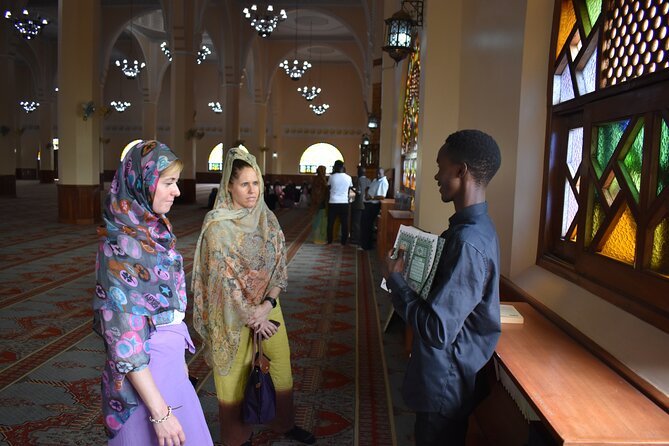
Gaddafi National Mosque gives the tour its best high viewpoint. After driving through older parts of Kampala, you enter the mosque complex and climb the minaret for a 360-degree view of the city.
The climb is worth noting. You need a moderate level of fitness, and the stop is not ideal if stairs are difficult for you. At the top, your guide can point out Kampala’s seven hills, Fort Lugard, and Old Kampala Senior Secondary School. The school is more than 60 years old, and Rwanda’s President Kagame once attended it.
The mosque was given to Uganda by the late Col. Muammar Gaddafi. Its scale and position make it useful for understanding how Kampala spreads across its hills. You get a visual sense of the city’s size that is difficult to gain from street level.
Dress and behavior should be respectful at a religious site. The tour includes admission, but it does not promise a long architectural or religious lecture inside the mosque. The value comes from the combination of the building, the city view, and your guide’s background information.
A few more Kampala trips to weigh up
- 3 Hours Guided Cycling Tour Across Lake Victoria
★ 5.0 · 151 reviews - Kampala’s Best Experience walking tour
★ 5.0 · 137 reviews - 3 Days gorilla trekking Safari tour in Uganda
★ 5.0 · 121 reviews - Lake Victoria Island Cycling Tour from Kampala
★ 5.0 · 120 reviews
Kasubi Tombs and Buganda tradition
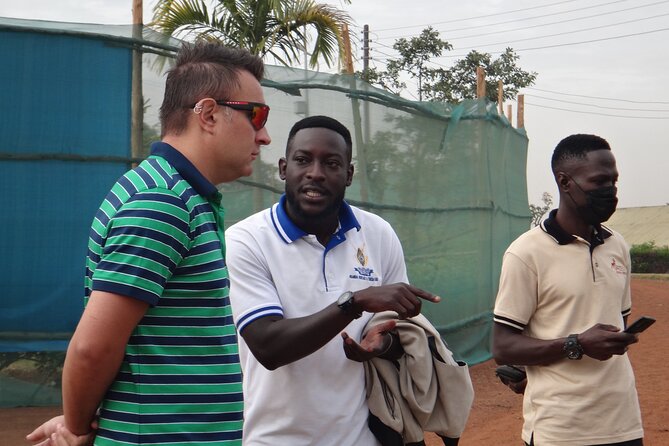
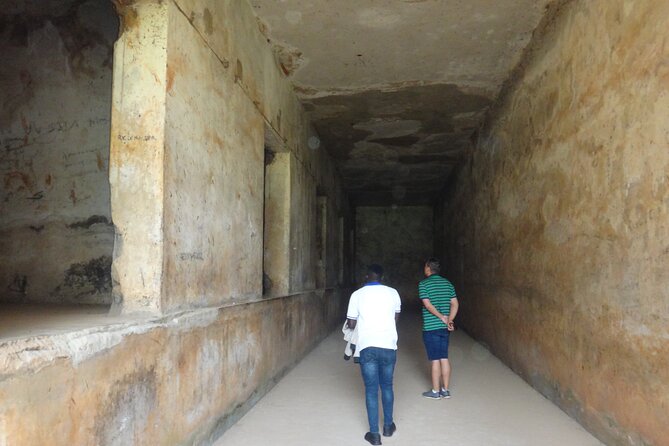
Kasubi Tombs is a UNESCO World Heritage Site and a spiritual center for the Baganda. It is the burial ground of four former kings of Buganda, and traditional practices and royal rituals continue to give the site importance.
This stop adds depth to the palace visit. At Kabaka’s Palace, you learn about royal power and administration. At Kasubi, you see the ceremonial and spiritual side of that same royal tradition. The site also functions as a cultural center for the royal family.
You are scheduled to spend about an hour here, with admission included. Treat the tombs as a place that calls for quiet attention rather than a quick photo stop. Your guide’s explanations can help you understand why the site matters to Baganda culture today, not only as a historical location.
Because Kasubi is a working cultural and spiritual place, your visit may feel more formal than the market or city drive. That contrast is useful. Kampala is not just a collection of old buildings, and this stop makes that clear.
Makerere University’s historic buildings
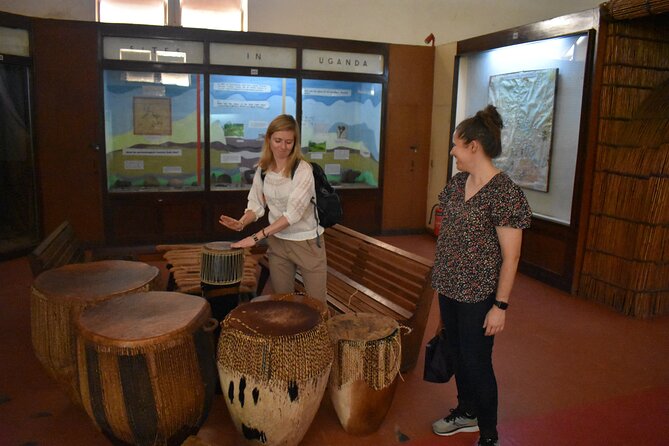
From Kasubi, the route passes through Makerere University, Uganda’s oldest and largest university, founded in 1922. The sightseeing section lasts about 30 minutes and is free of charge.
You will see the Old University Library, established in 1949, the Main Administration Building from 1941, and the Education monument. This is a short stop, so do not expect a full campus tour or extended time inside the buildings.
Even so, Makerere gives the day a different angle. The university has played an important part in Uganda’s academic life and is described as Africa’s third-oldest university. The old buildings also give you a break from the royal and religious sites that dominate the earlier part of the route.
If you enjoy institutions, architecture, or East African history, this part will likely hold your interest. If your priority is shopping or food, you may find 30 minutes at the university less compelling than additional time at a market.
The Baha’i Temple on Kikaya Hill
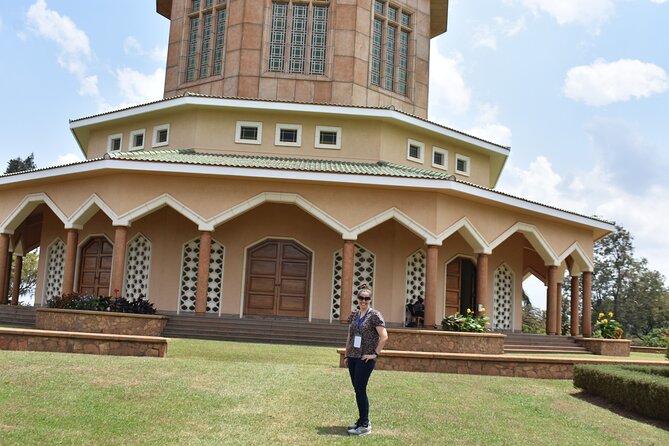
The Baha’i Temple is on Kikaya Hill, northeast of Kampala, and is described as the only Baha’i temple in Africa. The grounds offer a quieter change of pace after the city-center roads and crowded market areas.
You can enter the temple for a moment of self-meditation and spend time taking pictures in the gardens. The stop is listed at about an hour, with no separate admission charge. The setting makes it one of the more restful parts of the route, though the tour does not present it as a long guided religious lesson.
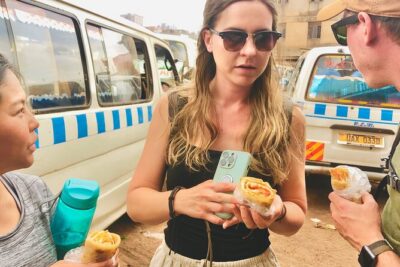
The drive passes Kalerwe Market, described as the second-largest local market in the area. You may stop for pictures or buy fresh fruit. This is a useful chance to see another side of Kampala’s market life, but purchases are your responsibility and are not part of the tour price.
The Baha’i Temple is closed on Mondays. That is an important planning detail, since the route may need to change and the temple visit will not be available that day.
Uganda Museum, with an important date warning
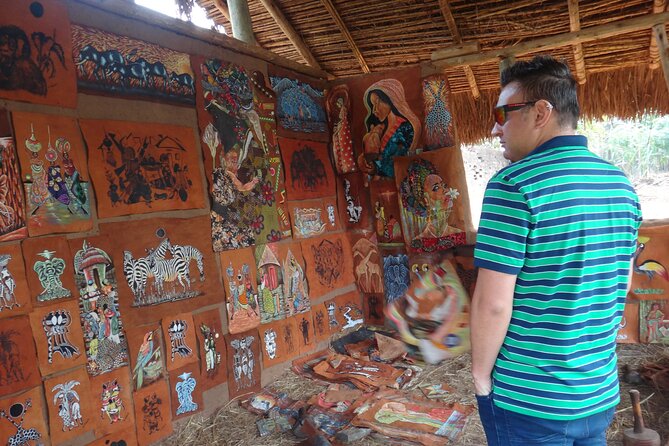
Under normal operation, the final major stop is the Uganda Museum, East Africa’s first and oldest museum. It was officiated by the British government in 1908 and moved to its current site in 1954.
The museum is meant to bring the day together by giving you a wider view of Uganda’s cultural story beyond Kampala. It is a natural final stop after the royal sites, markets, religious buildings, and university.
However, the Uganda Museum is under renovation and is expected to reopen in late 2025. If you book before reopening, do not assume you will receive the full museum visit. The tour information says the experience may temporarily end at the Baha’i Temple, followed by a transfer back to your hotel.
This change can make a noticeable difference. The museum is listed as an included admission, but the larger issue is whether it is open on your date. Confirm the current operating status before booking, especially if the museum is one of your main reasons for choosing the tour.
What the private vehicle adds
The tour uses a 4WD minibus with air conditioning, fueling, and a designated window seat included. Wi-Fi is also listed as a vehicle feature. Hotel pickup is offered within Kampala, and the tour begins at 8:30 a.m. at the stated meeting point if you are not using a hotel transfer.
A private vehicle matters in Kampala because the itinerary covers the central business district, older neighborhoods, royal sites, markets, Makerere, and Kikaya Hill. You are not trying to piece those locations together by yourself, and you can ask your guide about buildings as you pass them.
The vehicle also provides a break from the heat and traffic. Still, do not expect a perfectly fixed schedule. The tour lasts roughly six to seven hours, and Kampala traffic can affect the order and length of stops.
Only your group participates, which is a real advantage for couples, families, or small groups with shared interests. You can ask for more explanation at the palace, keep the market stop short, or spend extra time on a site that matters to you, within the limits of the day.
Is $215 a good value?
At $215 per person, this is not a cheap city outing. Its value depends heavily on group size and how much convenience you want.
The price includes hotel transfer, a private guide, transport in a fueled 4WD minibus, mineral water, and entrance fees to the planned paid sites. You also receive a route map and souvenir photos at no extra cost. If you are traveling alone, the per-person price may feel high compared with arranging a simple driving tour. If several people share the private vehicle, the package becomes easier to justify.
You are also paying for interpretation. Kampala’s monuments and royal sites do not always explain themselves, and a good guide can turn a drive past a government building into useful context. Matthew, also spelled Mathew in the tour details, has been singled out for his patience, energy, friendly manner, and strong grasp of Ugandan history and culture.
Lunch is not included. Optional activities, personal spending, market purchases, and drop-off outside the Kampala radius cost extra. Plan for your own midday meal and confirm the limits of hotel pickup and drop-off if you are staying outside the city.
Who will get the most from this tour?
I would choose this tour if you have one free day in Kampala and want a broad introduction without handling transport yourself. It suits first-time visitors, solo visitors who prefer a private guide, couples, and small groups who want to move at their own pace.
It is especially useful if you care about Uganda’s royal traditions, religious communities, political history, and cultural institutions. The tour is less suitable if you want a slow market visit, a long museum session, or a food-focused day.
You should also be comfortable with a full schedule and some walking, including the minaret climb. A moderate fitness level is recommended. If you dislike moving between many stops, ask the provider how the route will operate on your date.
The experience has received a 5 out of 5 rating from 11 reviews, with 100 percent recommending it. The strongest praise centers on the guides, especially Matthew, and on the comfort and ease of seeing Kampala by car. That emphasis is fair: the guide and transport are the parts most likely to shape your day.
Booking advice and cancellation
Confirmation is provided when you book. The tour is near public transportation, but hotel transfers are offered, which is simpler for most people staying in Kampala.
Free cancellation is available if you cancel at least 24 hours before the 8:30 a.m. start time. Changes or cancellations made inside that window are not accepted for a refund. The cut-off follows Kampala local time, so check the time carefully if you are arranging the tour from another country.
Should you book the Kampala City Tour?
Book it if you want an efficient, private introduction to Kampala and value a guide who can connect Buganda’s royal sites, city markets, religious buildings, and national institutions. The minaret view, Kabaka’s Palace, Kasubi Tombs, and the Baha’i Temple give the day a strong mix of history, culture, and scenery.
Think twice if the $215 price is difficult to justify for a solo visit, or if the Uganda Museum is essential before its renovation ends. For the best experience, avoid Monday because the Baha’i Temple is closed, confirm the museum’s status, and be ready for a brisk day shaped by city traffic. For a first look at Kampala with private transport and a guide at your side, this is a sensible choice.
FAQ
How long does the Kampala City Tour last?
The tour lasts approximately 6 to 7 hours.
What time does the tour start?
The stated start time is 8:30 a.m.
Is hotel pickup included?
Hotel transfers are included, with drop-off outside the Kampala radius excluded.
Is this a private tour?
Yes. Only your group participates.
What is included in the price?
The price includes mineral water, entrance fees to planned stopovers, transport in a fueled 4WD minibus, and an English-speaking driver-guide. A route map and souvenir photos are also provided free of charge.
Is lunch included?
No. Lunch is not included.
Is the Uganda Museum open during the tour?
The Uganda Museum is under renovation and is expected to open in late 2025. Under normal operation, the tour ends at the museum, but while it is closed, the tour may temporarily end at the Baha’i Temple before the transfer back to your hotel.
Just added around Kampala
- 7-Day Uganda Adventure Safari – Midrange Lodges★ 5.0 · 3 reviews
- Entebbe kampala airport transfers★ 5.0 · 3 reviews
- 5 days gorillas and chimpanzee tracking★ 4.5 · 3 reviews
- A Thrilling 1-Day Rhino Tracking Tour in Uganda★ 5.0 · 3 reviews
- 4-Day QENP, Gorillas in Bwindi and Lake Bunyonyi relaxation★ 5.0 · 3 reviews
- 3 Days Murchison Falls Wildlife Safari★ 4.5 · 3 reviews
- Kampala: Female-Guided Walking Tour★ 3.7 · 3 reviews
- 3 Days Private Tour in Murchison Falls National Park★ 5.0 · 3 reviews
Kampala Walking Tours, compared.
Steve Kampala Walking tours (Airpals Safaris tour)
Read our review →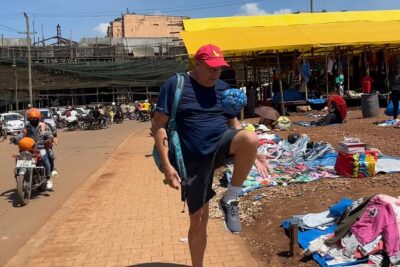
Browse the lists this tour appears in