
Reviewed · WALKING TOURS
Kampala: 3-Hour Walking Tour with Optional Gaddafi Mosque
Kampala makes more sense when you walk it with someone who knows how its streets connect. This tour moves from monuments and government buildings to Nakasero and Owino markets, where fruit, fabrics, herbs, spices, and street food bring the city into sharp focus. I like the mix of formal history and everyday life, plus the chance to try rolex and grasshoppers instead of simply looking at Kampala from a vehicle.
I also like the guide-led introduction to local customs, including the chance to bargain with a vendor and ask questions about Uganda’s past. The main drawback is the pace: three hours on foot through crowded streets can feel demanding, and the markets are not suited to anyone with limited mobility. The optional Gaddafi Mosque visit adds another hour and requires a boda ride.
Key points to know before you book
- Taste Kampala as you walk: Try seasonal fruit, rolex, and possibly grasshoppers using local currency.
- See more than monuments: The route links Constitutional Square and Independence Monument with Nakasero, the Old Taxi Park, and Owino Market.
- Choose the mosque add-on: Spend an extra hour at Gaddafi National Mosque and climb its minaret for broad city views.
- Expect a small shared group: Numbers are capped at 15, giving you more room to ask questions than on a large coach tour.
- Plan for real city walking: Allow two to three hours on foot, with uneven, busy urban conditions and a moderate physical demand.
- Use the guide’s local knowledge: Ronald, Simon, Andrew, and Sabrina are among the guides named in the feedback, with Ronald especially praised for history, flexibility, and language skills.
Kampala in three hours: why this tour works
At $24 per person, this is a reasonably priced way to get your bearings in Kampala, especially if you have only one day in the capital. The value comes less from ticking off major sights and more from having someone explain how the city works while leading you through places that can be confusing on your own.
You get three hours with a local guide, a short boda ride at the end, and the option to add a one-hour visit to Gaddafi National Mosque. Food, drinks, transport to the meeting point, and the mosque entry are not included unless you select that option, so carry local currency for snacks and small purchases.
The group limit of 15 is useful here. Kampala’s streets and markets are active, tight, and noisy. A smaller group is easier to keep together, and it gives you a fair chance to ask about Uganda’s history, food, religion, and daily routines.
Several guides receive specific praise. Ronald is noted for speaking English and German, taking photos, adjusting the route when time was short, and balancing facts with humor. Simon, Andrew, and Sabrina are also named as strong guides. Since guide assignments can change, you should not book on the assumption that one particular person will lead your outing, but the range of positive names suggests an established guiding team.
A few more Kampala trips to weigh up
- Kampala’s Best Experience walking tour
★ 5.0 · 137 reviews - Kampala Walking City Tours (Women Guided)
★ 5.0 · 115 reviews - Kampala Walking Tour (3 Hours) with Optional Gaddafi Mosque Visit
★ 5.0 · 112 reviews
Starting at Buganda Road Craft Market
Meet at the entrance to the Craft Market on Buganda Road at least 10 minutes before departure. Look for the guide holding a black umbrella with the local partner’s logo and the words Free Tour Starts Here.
This is a practical meeting place because you begin among stalls selling souvenirs and locally made goods. You can return here at the end to shop, browse, or stop at 1000 Cups café for local coffee.
The first briefing sets the tone. You can ask the guide about the route, food stops, or the mosque option before setting off. That small conversation matters because the tour has several moving parts, and the markets can take more or less time depending on the group’s interests.
Monuments and the story of modern Uganda
The early section covers central Kampala’s formal side. Constitutional Square, the World War Memorial Monument, Independence Monument, the King Muteesa II Monument, and the Main Post Office each offer a different entry point into Uganda’s public story.
I particularly like this part because the sights are not treated as isolated photo stops. A local guide can explain why these places matter and connect them to the political and civic changes that shaped Kampala. The King Muteesa II Monument also points toward Uganda’s royal traditions, giving the walk more range than a basic colonial-era city tour.
The Independence Monument is an obvious stop, but its value depends on the explanation around it. You will get more from the visit if you ask how independence changed Kampala and how the city grew afterward. The tour also includes government installations, so this stretch shows you the capital as a working administrative center rather than only a sightseeing district.
The Main Post Office is another useful orientation point. It helps you see how the older central core fits into the present city. Do not expect long museum-style visits at each location. This is a moving city walk, so the guide’s commentary and your questions are the main attraction.
A café break for refreshment and a reset
The route includes a toilet and refreshment stop at a popular local café. That break is welcome because the walking becomes more demanding once you enter the market areas.
Food and drinks are not included, so this is a good moment to buy something if you need it. Keep some Ugandan currency handy. The tour specifically encourages tasting fresh fruit and street food, but you should decide what suits your appetite and comfort level.
This pause also gives you a chance to compare notes with the guide. If you want more time at the markets or have a particular question about Kampala, ask before the group moves on.
Same base, a completely different kind of trip:
- 3 Hours Guided Cycling Tour Across Lake Victoria
★ 5.0 · 151 reviews - 3 Days gorilla trekking Safari tour in Uganda
★ 5.0 · 121 reviews - Lake Victoria Island Cycling Tour from Kampala
★ 5.0 · 120 reviews - Steve Kampala Walking tours (Airpals Safaris tour)
★ 5.0 · 89 reviews
Nakasero Market and the Old Taxi Park
After the central monuments, the tour shifts into a more active part of Kampala. Nakasero Market brings you close to produce, fruit, herbs, and spices. You will smell the market before you have taken in all of its stalls, which is part of the appeal.
The guide can help you identify seasonal fruit and explain how to approach a purchase. You may also get a chance to bargain with a local vendor. Treat this as a social exchange, not a contest. A light touch works better than trying to force the lowest possible price.
The Old Taxi Park shows Kampala’s transport energy. It is a useful place to understand how people move around the city, but it can feel hectic. Stay close to the guide, keep your belongings secure, and wear shoes that are comfortable for standing and walking.
This is one reason I would not treat the tour as a gentle stroll. You are crossing active city districts, not following a quiet pedestrian promenade. The reward is direct contact with ordinary city life, but you should be ready for noise, crowds, and a quick pace at times.
Owino Market and Kampala’s street food
Owino Market, also known as St. Balikuddembe Market, is a major part of the route. The tour takes you into the market atmosphere rather than keeping you on a sightseeing bus at the edge.
Here you can look for fabrics, smell spices and herbs, and see the constant exchange between shoppers and sellers. The guide is especially helpful because markets can be hard to read on your own. You can learn when to browse, how to ask about prices, and which foods are worth trying.
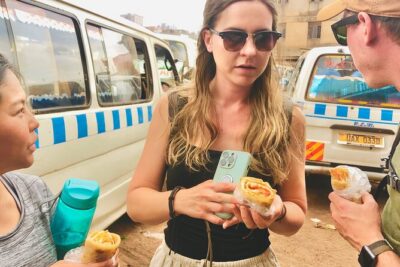
The food element is a real strength. Fresh in-season fruit offers an easy introduction, while rolex gives you a more filling taste of Uganda. A rolex is a chapati wrapped around eggs and other fillings. Grasshoppers are also offered as a curious local snack. The tour does not include food, and you are not required to try anything, so bring small amounts of local currency and choose at your own pace.
I like that the food is tied to the market rather than presented as a polished restaurant tasting. You are seeing where ingredients and everyday meals fit into city life. That said, anyone with a sensitive stomach should be cautious and ask the guide what is suitable.
The boda ride: useful, optional, and memorable
Near the end, you can take a short boda ride back to the Craft Market. The ride is described as about 10 minutes, and it is included in the standard tour. If you prefer not to ride a motorbike taxi, you can walk back instead.
The boda adds a practical slice of Kampala transport culture, but it is not essential to the sightseeing. If you dislike motorbikes or simply want to keep walking, the alternative is clear. The guide can direct you back on foot.
If you choose the mosque option, the boda becomes part of the transfer to Gaddafi National Mosque. The ride is one of the moments that makes this more than a monument walk, but you should select the add-on only if you are comfortable with the mode of transport.
Gaddafi National Mosque and the seven hills view
The optional one-hour mosque visit is the strongest add-on for many people. Gaddafi National Mosque, officially called the Uganda National Mosque, sits on Kampala’s Old Kampala Hill.
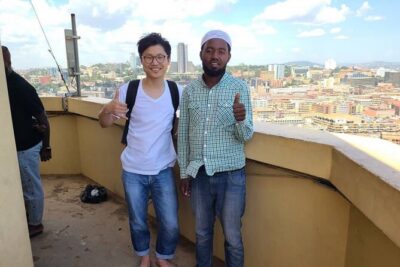
The visit includes a climb to the top of the minaret. From there, you get a wide view over the city and can see how Kampala spread out from the place where Fredrick Lugard established the old city. The elevated view also helps explain the familiar idea of Kampala as a city of seven hills.
This section adds context that is hard to gain at street level. After moving through markets and traffic, you can look back across the city and understand its shape. The mosque itself also adds a religious and architectural dimension missing from the basic walking route.
You should allow a full extra hour for this option, plus the boda transfer and return to the Craft Market. The mosque is not included in the basic package, so check the price difference when booking. For me, the add-on is worthwhile if you want a broader picture of Kampala and can manage the climb.
What the walking pace is really like
The activity involves a moderate amount of walking over two to three hours, followed by the optional mosque visit. Comfortable clothing and trainers or walking shoes are the right choice.
This is not suitable for children under 12, pregnant women, or people with mobility impairments. The route through markets and central streets can be physically tiring even for fit walkers, especially in warm weather. Check the forecast and bring a jacket if needed.
The itinerary has some flexibility. Ronald is specifically praised for adjusting the route when time was tight and spending longer where the group wanted. That is helpful, but do not count on seeing every stop at length. The tour covers a lot in three hours, so it favors range and local contact over long visits.
Languages, group feel, and guide style
The tour is offered in English, French, and German. Ronald is specifically described as fluent in English and German, while the booking information lists all three languages.
The best feature of the guiding style is the mix of explanation and interaction. You get historical context, but you also have time to watch the streets, ask questions, and try something unfamiliar. One guide was praised for answering special questions about Uganda’s history, while another was noted for making the walk entertaining without losing the useful facts.
A group of 15 is the upper limit, not necessarily the usual size. A last-minute booking once resulted in a much smaller group, but that should be treated as luck rather than a promise. If you want a private tour, this shared format is not the right product. If you want company without a large crowd, it is a sensible middle ground.
The practical value of $24
The $24 price is fair for a three-hour guided introduction, particularly because the route combines historic sites, markets, food suggestions, and local transport. You would spend less on a self-guided walk, but you would lose the help with navigation, bargaining, market etiquette, and background.
The short boda ride is included, though food and drinks are not. Bring local currency for fruit, rolex, grasshoppers, coffee, and small shopping purchases. You can also use the end of the tour to browse souvenirs at the Craft Market or stop at 1000 Cups café.
Hotel pickup and drop-off are not included. You need to reach Buganda Road Craft Market yourself and return there at the end. That is easy to understand, but it makes the tour less convenient if you are staying far from central Kampala.
Cancellation is allowed up to 24 hours before departure for a full refund, and you can reserve while paying later. Those terms help if your Uganda plans are still shifting.
Who should book this Kampala walk?
I would recommend it most strongly to first-time visitors, people with one day in Kampala, and anyone who wants an introduction before exploring alone. The route gives you enough history to understand the center, then places you among markets where the city’s daily rhythm is easier to feel.
Food-curious visitors will get extra value from the fruit, rolex, grasshoppers, herbs, and spices. The mosque option is a good fit if views, religion, and city geography matter to you.
I would be more cautious if you want a quiet, slow-paced walk, dislike markets, or have trouble with uneven urban walking. The basic tour is active, and the optional minaret visit adds stairs and another hour. You also need to be comfortable carrying cash and navigating a busy city on foot.
Should you book it?
Book this tour if you want to understand Kampala quickly through its monuments, markets, food, and people. The guide is the key value, and the named guides, especially Ronald, are praised for history, flexibility, photos, and making unfamiliar places easier to approach.
Choose the Gaddafi Mosque option if you can manage the climb and want the best broad view of Kampala. Skip it if you prefer a shorter outing or do not want the boda transfer.
At $24, this is a strong first-day choice for an active visitor. It will not give you a polished or leisurely version of the city. It gives you a direct one, with enough structure to feel confident and enough freedom to notice Kampala for yourself.
FAQ
Where does the Kampala walking tour start?
The tour starts at the entrance to the Craft Market on Buganda Road. Arrive at least 10 minutes before the start time and look for a guide holding a black umbrella marked with the local partner’s logo and Free Tour Starts Here.
Where does the tour finish?
The standard activity finishes back at the Craft Market meeting point. The optional mosque visit also concludes with a boda ride back to the Craft Market.
How long is the walking tour?
The main walking tour lasts three hours. It involves about two to three hours of walking, with a toilet and refreshment break included.
Is the Gaddafi National Mosque visit included?
It is included only when you select the option that adds the mosque visit. That option provides a one-hour tour, including a climb to the top of the minaret.
Will I ride a boda?
The standard tour includes a short boda ride of about 10 minutes at the end. You may walk back instead. The mosque option includes a boda ride to the mosque and a return ride to the Craft Market.
What food can I try during the tour?
You may taste fresh seasonal fruit, rolex, and grasshoppers, as well as see local herbs and spices. Food and drinks are not included, so carry local currency if you want to buy anything.
Is this tour suitable for children or people with mobility limitations?
The tour is not suitable for children under 12, pregnant women, or people with mobility impairments. Comfortable walking shoes are recommended.
What languages are available?
The tour is offered in English, French, and German. Guides named in the tour information include Ronald, Simon, Andrew, and Sabrina.
Just added around Kampala
- 7-Day Uganda Adventure Safari – Midrange Lodges★ 5.0 · 3 reviews
- Entebbe kampala airport transfers★ 5.0 · 3 reviews
- 5 days gorillas and chimpanzee tracking★ 4.5 · 3 reviews
- A Thrilling 1-Day Rhino Tracking Tour in Uganda★ 5.0 · 3 reviews
- 4-Day QENP, Gorillas in Bwindi and Lake Bunyonyi relaxation★ 5.0 · 3 reviews
- 3 Days Murchison Falls Wildlife Safari★ 4.5 · 3 reviews
- 3 Days Private Tour in Murchison Falls National Park★ 5.0 · 3 reviews
- Kampala: Female-Guided Walking Tour★ 3.7 · 3 reviews
Walking Tours, compared.
Steve Kampala Walking tours (Airpals Safaris tour)
Read our review →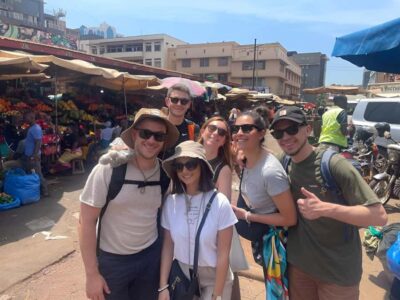
Kampala Half-Day Walking Tour with Local Female Guides
Read our review →
Entebbe Walking Tour (3 Hours) with Zoo and Botanical Gardens Options
Read our review →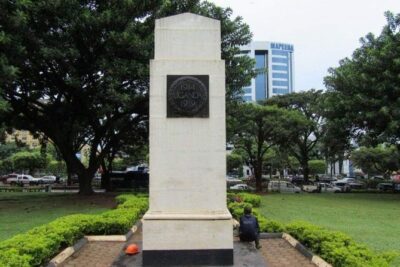
Free Female Guided Walking Tours Kampala (3 Hours)
Read our review →Browse the lists this tour appears in