
Reviewed · WALKING TOURS
Kampala: Katanga Slum Guided Walking Tour
Katanga is not a sightseeing backdrop. It is a living community, and this 1.5-hour walk asks you to pay attention to the people, work, and support networks behind the headlines. A resident guide such as Maxwell or Marvin leads you through narrow paths, local businesses, homes, schools, churches, and community projects.
I like the small six-person limit, which gives you room to listen and ask sensible questions without turning the walk into a parade. I also like the direct contact with residents, from chapati sellers and market vendors to artisans recycling scrap materials. The main consideration is that this is a serious visit, not a light city stroll. Overcrowding, poor sanitation, and hardship are part of what you will see, and people with mobility impairments may find the uneven, narrow route difficult.
Key points to know before you go
- A resident guide sets the tone: Maxwell and Marvin are among the guides named in guest feedback, and both were praised for making visitors feel safe and welcome.
- The group is limited to six: This suits you if you want conversation and a more personal pace.
- The walk covers real daily life: Expect small food stalls, scrap workshops, produce sellers, homes, schools, churches, gyms, and youth projects.
- The experience is emotionally demanding: You will see poverty and sanitation problems alongside enterprise, humor, faith, and community pride.
- The route begins and ends at Kitenji Uganda Safaris and Tours: It passes through Wandegeya on the way to Katanga and again on the return.
- The $25 price buys access and local interpretation: Meals and drinks are not included, but proceeds often support local projects.
Meeting Katanga through a local guide
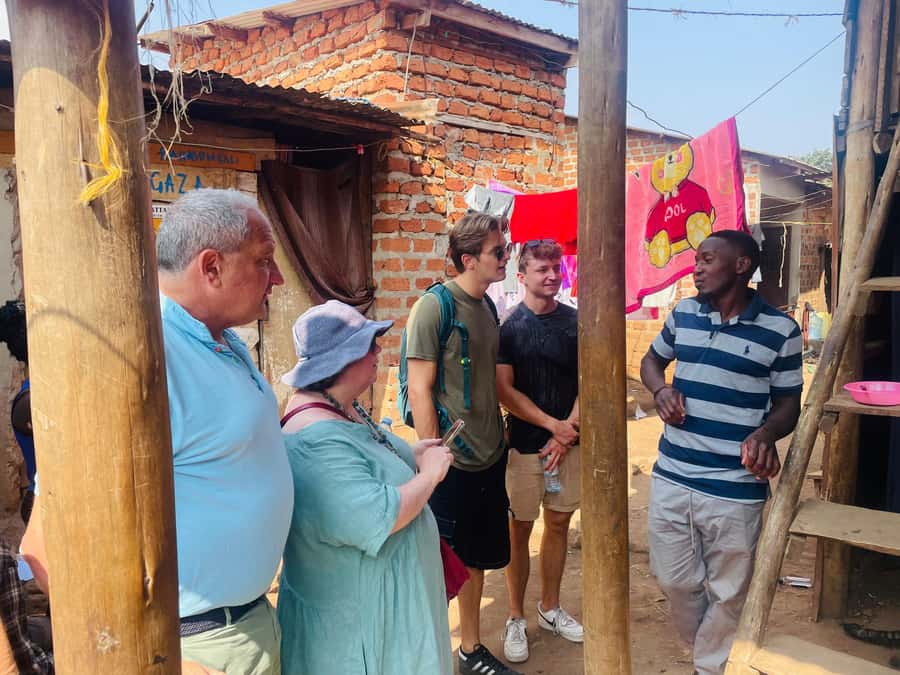
The useful thing about this tour is the person leading it. Your guide is not simply pointing out buildings or reciting facts from a distance. The guide introduces Katanga as a place where people work, raise families, worship, study, trade, and make do with limited services.
At the start, you learn how the settlement grew and how it fits into Kampala’s urban life. That opening matters because it gives you a frame for what follows. Without it, a walk through cramped lanes could leave you with only a series of quick impressions. With a local guide, you can ask how families adapt, how residents support each other, and how young people try to shape a different future.
The named guides, Maxwell and Marvin, are worth noting when you book or receive confirmation. Maxwell was singled out for helping visitors feel at ease in a place they would not normally enter alone. Marvin was praised for explaining where the settlement sits and for setting out sensible do’s and don’ts before the walk began.
That early briefing is practical. Katanga is a community, not an open-air exhibit, so the guide helps you understand how to behave. Listen first. Ask before taking photographs. Keep your attention on people rather than treating every hardship as a picture opportunity.
A few more Kampala trips to weigh up
- Kampala’s Best Experience walking tour
★ 5.0 · 137 reviews - Kampala Walking City Tours (Women Guided)
★ 5.0 · 115 reviews - Kampala Walking Tour (3 Hours) with Optional Gaddafi Mosque Visit
★ 5.0 · 112 reviews
From Kitenji Uganda Safaris and Tours to Wandegeya
The scheduled meeting point is Kitenji Uganda Safaris and Tours. From there, the route heads toward Wandegeya, with views along the way before the main walk through Katanga.
This first section gives you time to get comfortable with your guide and the group. Since there can be no more than six participants, introductions should be fairly easy, and you can raise questions before entering the settlement. The route is described as a walking experience, so wear comfortable shoes rather than anything chosen for a polished city outing.
The Wandegeya section is not the main attraction, but it helps connect the tour to ordinary movement through Kampala. You are not being whisked straight to a set of poverty-focused stops. You begin in the wider city and then move into a community with different pressures and infrastructure.
The information does not give a precise distance or transport arrangement between the meeting point, Wandegeya, and Katanga. I would therefore allow a little flexibility around the start and confirm the exact meeting instructions after booking. The operator contacts you to agree on a preferred starting time, with tours available between 9 a.m. and 7 p.m.
Walking the narrow paths of Katanga
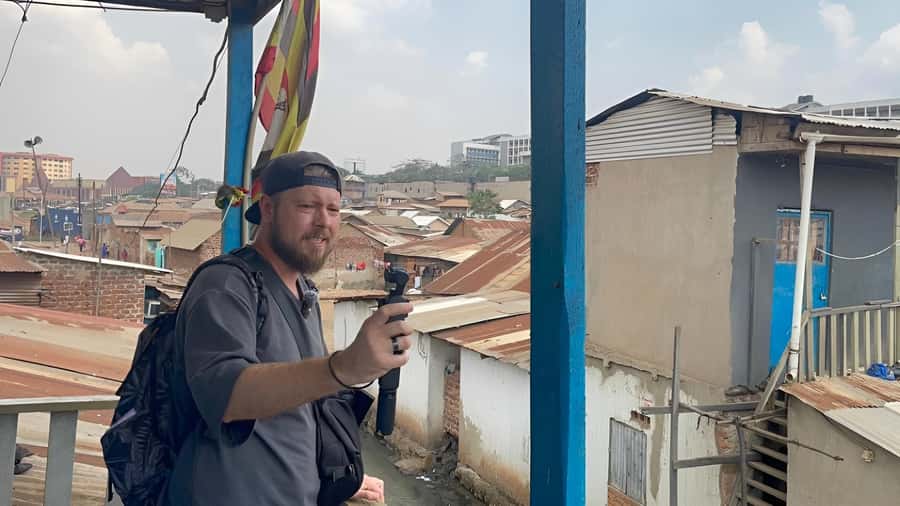
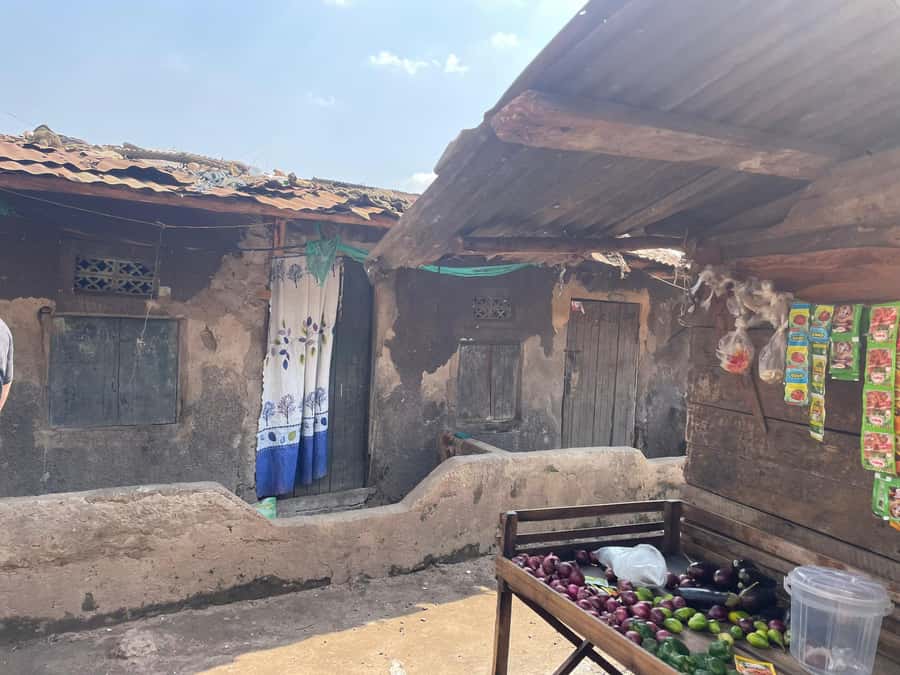
Once inside Katanga, the pace becomes more personal. The route follows narrow alleys and busy paths, taking you past the ordinary places where residents earn money and manage daily life.
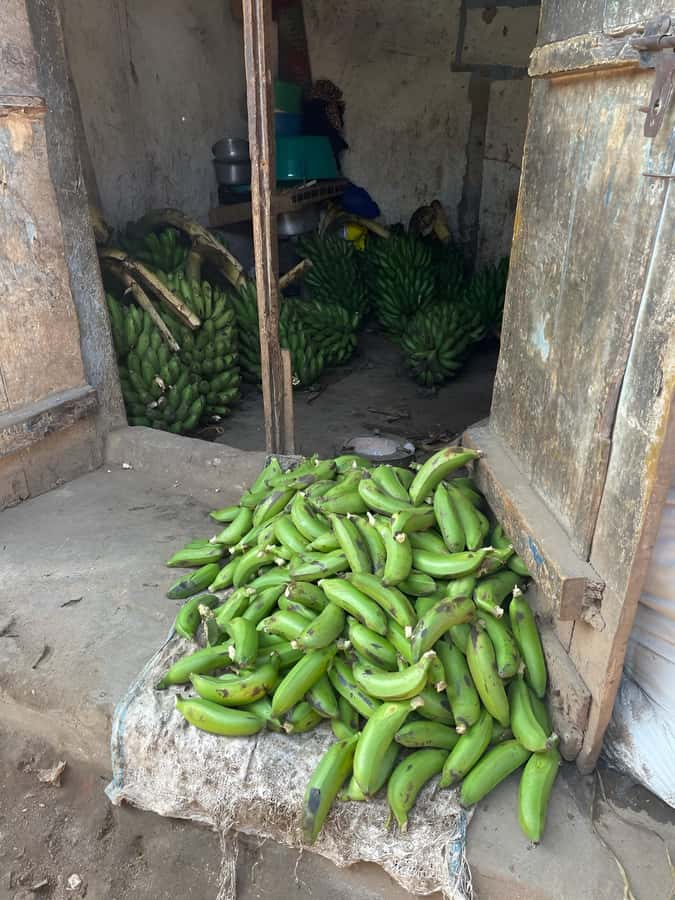
You might see food stalls preparing chapati, vendors selling fresh produce, and small shops serving local needs. You also get a look at artisans who reuse scrap materials. These details are important because they show that Katanga is not defined only by what it lacks. People create businesses with small resources, find uses for discarded materials, and build income where formal opportunities are limited.
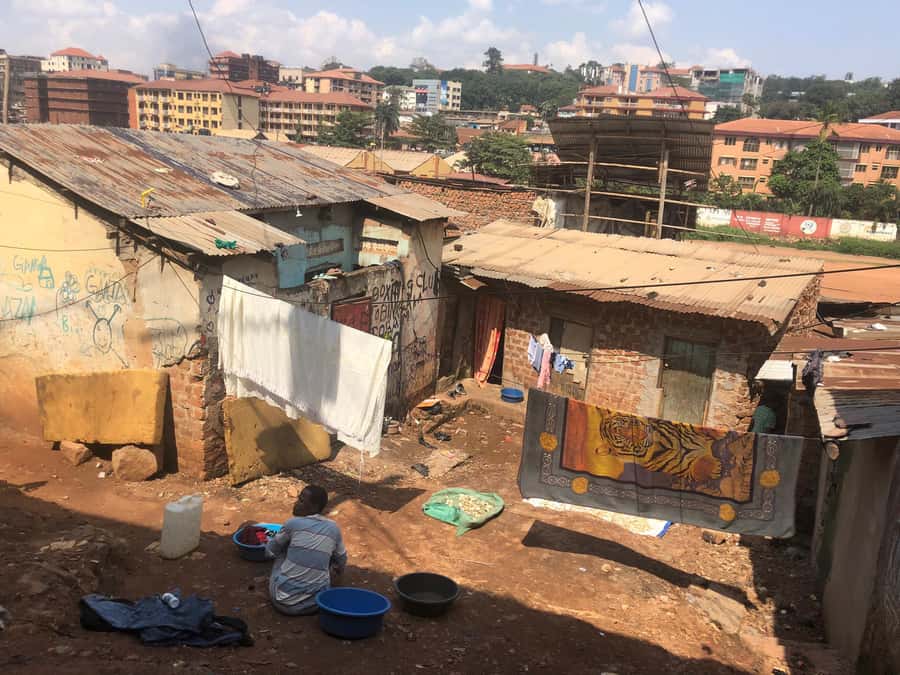
The walk also shows the physical challenges. Overcrowding and sanitation problems are part of the setting, along with limited infrastructure. The guide can explain how families work around these limits and how neighbors form support networks.
I would not expect a neat sequence of polished attractions. The strength of the tour is precisely that it follows everyday life. One moment may focus on a stall or workshop, and the next may involve a conversation with a resident or a look at a local institution. The experience depends on what is active and available during your visit.
That makes the walk less predictable than a standard city tour. It also means you should come ready to listen rather than expecting a fixed show.
Homes, schools, churches, and local projects
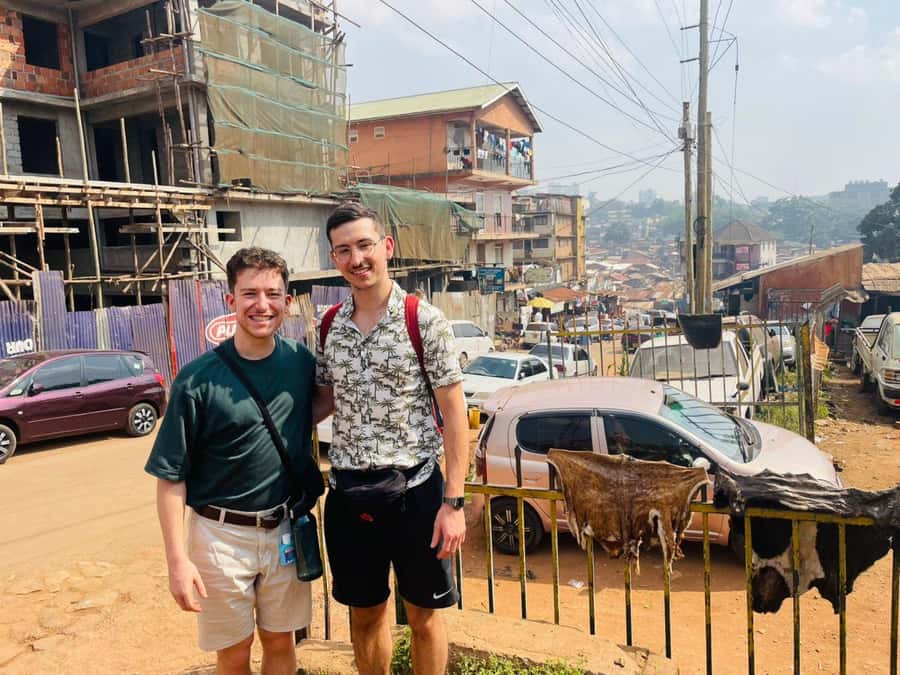
A particularly meaningful part of the walk is the chance to visit places that reveal how the community functions. The route may include local homes, schools, churches, gyms, or youth projects.
A home visit can help you understand the limited space available to families, but it also calls for extra care. Enter only when invited and follow your guide’s lead. The point is not to inspect someone’s living conditions. It is to meet people on their own terms and hear how they experience the area.
Schools and youth projects show why education and organized support matter in a place where poverty can repeat itself across generations. You learn how residents try to give children and young adults more choices. Young entrepreneurs are also part of the story, using small ventures and local skills to look ahead.
Churches add another layer. Music from churches and the presence of faith communities show how spiritual and social life overlap. These are not decorative stops added to fill time. They help explain where people gather, find encouragement, and build relationships.
One account of the tour included visits to homes, a church, a school, a gym, and the narrow streets between them. That range gives you a better picture than a walk focused only on markets or only on deprivation. Katanga contains many parts of life at once.
Same base, a completely different kind of trip:
- 3 Hours Guided Cycling Tour Across Lake Victoria
★ 5.0 · 151 reviews - 3 Days gorilla trekking Safari tour in Uganda
★ 5.0 · 121 reviews - Lake Victoria Island Cycling Tour from Kampala
★ 5.0 · 120 reviews - Steve Kampala Walking tours (Airpals Safaris tour)
★ 5.0 · 89 reviews
The people behind the statistics
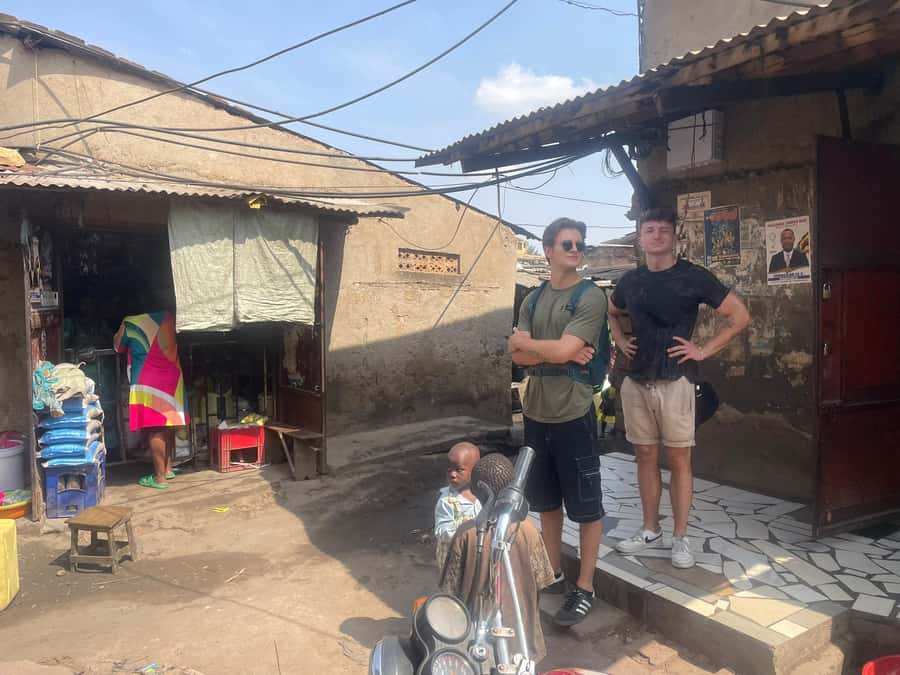
The hardest part of this experience is also its purpose. You will see economic hardship in direct, physical terms. The tour does not smooth over sanitation issues, crowded housing, or the lack of basic infrastructure.
Still, the walk is not designed to reduce residents to statistics. You may see children playing in improvised spaces, hear music from churches, and meet people who take pride in their neighborhood. Residents share stories, run small enterprises, support neighbors, and work toward better opportunities for younger people.
I appreciate that balance. A tour like this can easily become poverty tourism if the guide treats residents as scenery or if visitors arrive only to collect dramatic photographs. Here, the stated focus is conversation and cultural exchange. The quality of your visit will depend partly on how you behave. Ask clear questions, avoid intrusive ones, and give people your full attention when they speak.
Children may be curious about visitors and pleased to see you, but that does not give you automatic permission to photograph or touch them. Keep your camera away unless you have clear consent. A respectful attitude is not an optional extra on this walk. It is what makes the experience worthwhile.
What the six-person group changes
The six-person limit is one of the strongest practical features. A small group is easier to manage in narrow alleys, and it gives the guide more chance to answer questions.
You are also less likely to feel that you are moving through the community as part of a large crowd. That matters in a residential area. A small party can pause without blocking the path, listen to a conversation, and move on when the guide signals that it is time.
A small group does not guarantee privacy for every interaction, of course. The tour still takes place in a populated settlement, and the rhythm may change as you encounter people or activities. But it creates better conditions for a thoughtful visit.
It also helps with safety. The walk is led by a professional guide, and one account specifically described having two guides and feeling safe. Another visitor praised Maxwell for making the visit comfortable, while a separate booking described Marvin as friendly, talkative, and clear about appropriate conduct.
I would still keep your belongings secure and stay with the guide. The operator knows the area, and the route is not intended to be walked alone by someone unfamiliar with Katanga.
Is $25 a fair price?
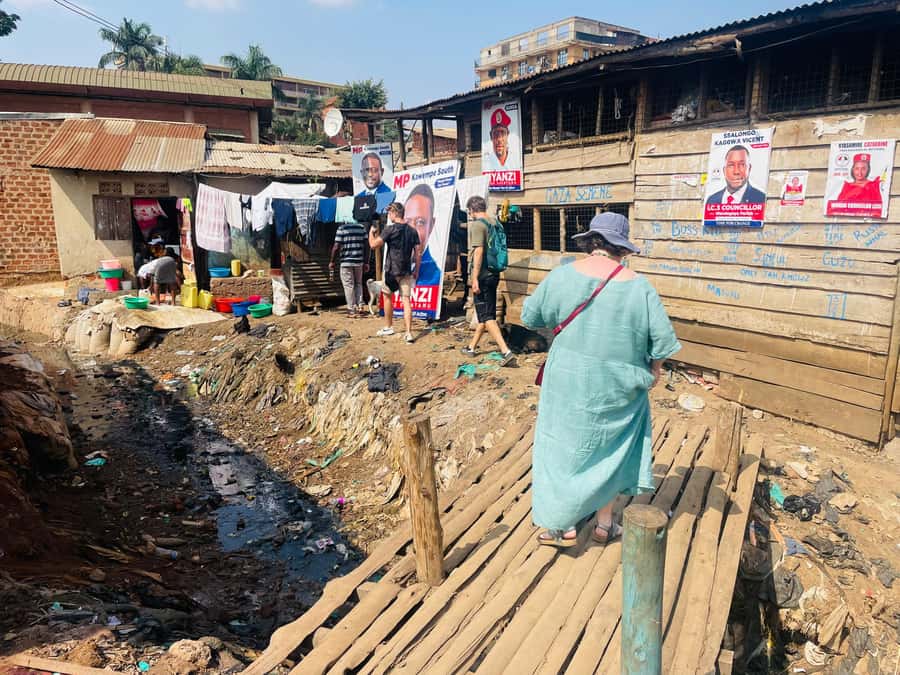
At $25 per person, this is not the cheapest way to spend 1.5 hours in Kampala. You are paying for a professional local guide, a small group, and access to a community that you would not sensibly explore alone.
There is no meal or drink included, so the price is not built around food or a bundle of standard attractions. Its value comes from interpretation and access. The guide helps you understand what you are seeing, introduces you to people and projects, and provides a safer, more respectful way to enter Katanga.
The small group improves that value. If the tour had twenty people, the same route could feel intrusive and questions would be harder to manage. With six or fewer, your money supports a more personal exchange.
Proceeds often support local projects, which adds an impact element. The supplied information does not specify exactly which projects receive money or how much is allocated, so ask the operator if that detail matters to you. Even so, the basic idea is sound: your fee can contribute locally while paying the guide for skilled work.
I see the tour as good value for someone who wants context and human contact, not as a bargain activity for filling a spare hour.
Timing, comfort, and the route home
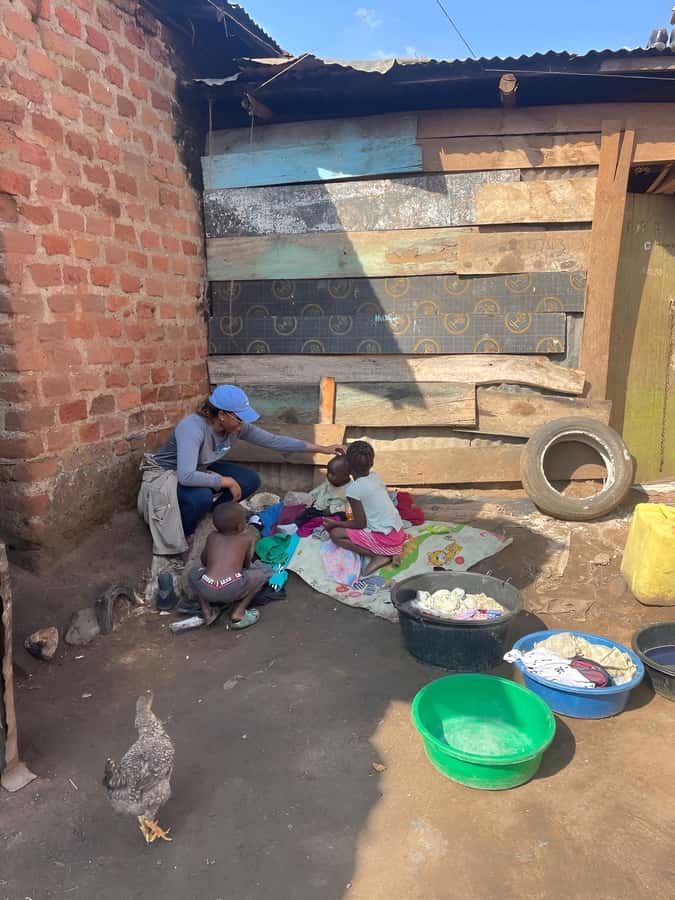
The walk lasts about 1.5 hours and is offered between 9 a.m. and 7 p.m. After booking, an agent confirms your preferred start time. That flexibility helps if you are fitting the tour around other Kampala plans, but do not assume your chosen time is final until the operator confirms it.
One visitor had trouble arriving at the correct time and said the guide was flexible about moving the appointment. That is encouraging, but I would not treat flexibility as a promise. Send clear arrival details and respond to the operator when contacted.
The return route goes back through Wandegeya before arriving at Kitenji Uganda Safaris and Tours. The published route does not mention a separate vehicle transfer, so plan on walking for the experience and wear shoes that can handle narrow paths.
This tour is not suitable for people with mobility impairments. The combination of narrow alleys, an informal settlement, and a walking-only format can make the route hard to manage. Comfortable shoes are the only listed item to bring, but practical clothing and a bottle of water would make sense if you already carry them, while remembering that food and drinks are not included.
Who will get the most from this walk?
You should consider booking if you want to understand Kampala beyond its standard attractions and are willing to confront difficult subjects. It suits curious adults, students, photographers who can put people before pictures, and anyone interested in urban inequality, small businesses, education, and community-led support.
It is especially useful if you value conversation. The guide can explain Katanga’s growth, while residents provide the personal side. That combination gives you more than a quick look at crowded housing.
You may want to skip it if you are looking for a relaxed sightseeing walk, a food tour, or a polished cultural performance. The route can be emotionally heavy, and the surroundings are not arranged for visitor comfort.
Families should think carefully about the subject matter and the walking conditions. The supplied information does not set a minimum age or give specific child arrangements, so ask the operator before booking for younger children.
Book this tour or choose something else?
I would book the Katanga walk if you want a direct, guided look at how people live and work in one of Kampala’s largest informal settlements. The strongest reasons are the resident guides, the six-person limit, the chance to meet community members, and the broad range of places on the route.
Book with the right expectations. You are not buying a cheerful photo stop. You are paying for a short, serious conversation with a community, alongside a look at its problems and its resourcefulness.
If you can walk comfortably, listen respectfully, and accept that some moments may be uncomfortable, $25 is a reasonable price for the access and local guidance. Confirm the meeting time, ask who your guide will be, and arrive ready to follow the guide’s advice. That is the best way to make the visit useful for you and considerate toward Katanga’s residents.
FAQ
Where does the Katanga Slum Guided Walking Tour start?
The tour starts at Kitenji Uganda Safaris and Tours. The route then goes through Wandegeya to Katanga and returns through Wandegeya to the same starting point.
How long does the tour last?
The walking tour lasts approximately 1.5 hours.
What time can I take the tour?
Tours are available between 9 a.m. and 7 p.m. After you book, an agent contacts you to confirm your preferred start time.
What language is the tour in?
The live guided tour is conducted in English.
How many people can join the group?
The tour is limited to six participants, making it a small-group experience.
What is included in the price?
A professional guide is included. Meals and drinks are not included.
What should I bring?
Comfortable shoes are recommended because the experience is a walking tour.
Is the tour suitable for people with mobility impairments?
No. The activity is listed as unsuitable for people with mobility impairments.
Can I cancel the booking?
Yes. You can cancel up to 24 hours in advance for a full refund. You can also reserve now and pay later.
Just added around Kampala
- 7-Day Uganda Adventure Safari – Midrange Lodges★ 5.0 · 3 reviews
- Entebbe kampala airport transfers★ 5.0 · 3 reviews
- 5 days gorillas and chimpanzee tracking★ 4.5 · 3 reviews
- 3 Days Murchison Falls Wildlife Safari★ 4.5 · 3 reviews
- A Thrilling 1-Day Rhino Tracking Tour in Uganda★ 5.0 · 3 reviews
- 4-Day QENP, Gorillas in Bwindi and Lake Bunyonyi relaxation★ 5.0 · 3 reviews
- 3 Days Private Tour in Murchison Falls National Park★ 5.0 · 3 reviews
- Kampala: Female-Guided Walking Tour★ 3.7 · 3 reviews
Walking Tours, compared.
Steve Kampala Walking tours (Airpals Safaris tour)
Read our review →
Kampala: 3-Hour Walking Tour with Optional Gaddafi Mosque
Read our review →
Kampala Half-Day Walking Tour with Local Female Guides
Read our review →
Entebbe Walking Tour (3 Hours) with Zoo and Botanical Gardens Options
Read our review →Browse the lists this tour appears in