
Reviewed · KAMPALA TOURS
Entebbe Eco Tour – Full Day
The best reason to book this day is the Mabamba Swamp boat trip, where you may spot the rare shoebill among papyrus channels on Lake Victoria. The rest of the day adds lions, giraffes, monkeys, old trees, snakes, and a brief but important look at Uganda’s Catholic history.
I like the range: wildlife rescue and culture share one itinerary, so you are not spending the whole day at a single attraction. I also like the practical setup, with a private 4WD minibus, an English-speaking guide, boat transfers, entrance fees, and lunch included. The drawback is the packed schedule. Some stops may feel brief, and a public holiday or heavy rain can affect restaurants and timing.
Key points to know before booking
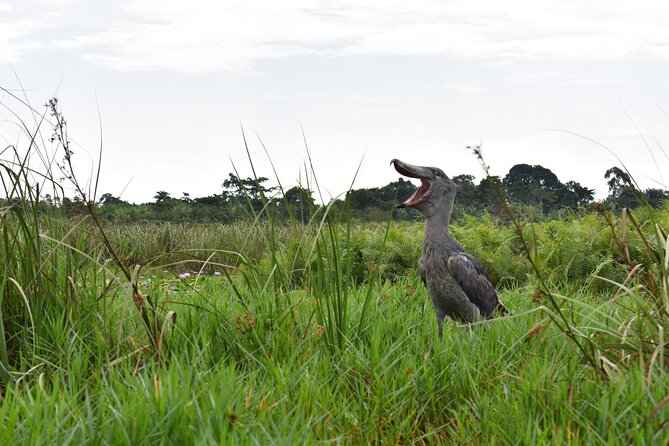
- Shoebill search by boat: Mabamba Swamp is the day’s most distinctive stop, with more than 260 recorded bird species.
- Private transport: Your group travels in a 4WD minibus with a driver-guide, rather than joining a large shared coach.
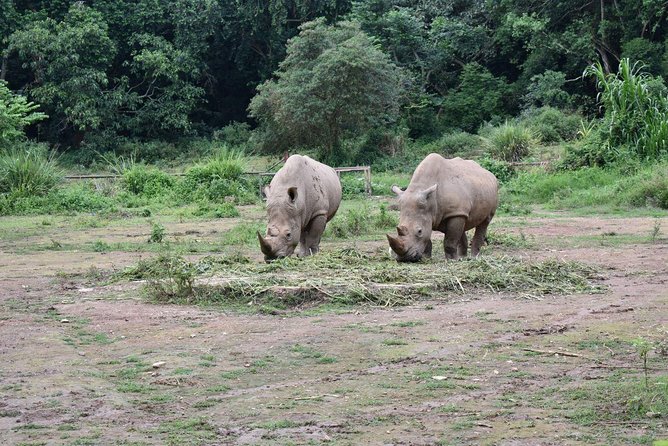
- Wildlife in one place: The Uganda Wildlife Conservation Education Centre has more than 400 indigenous animals, including rhinos, cheetahs, giraffes, lions, and chimpanzees.
- A full Ugandan lunch is included: You receive lunch with a soft drink or mineral water, though extra drinks and meals cost more.
- Two hours at most major stops: The plan covers a lot, so expect an active day rather than a slow-paced outing.
- Guide quality matters: Hillary received especially warm praise for his wildlife knowledge, local customs, and thoughtful touches such as a raincoat and safari blanket.
Why the shoebill makes this Entebbe day special
Entebbe can look like a place you simply pass through on the way to or from the airport. This tour makes a stronger case for staying. Its main prize is Mabamba Swamp, a wetland on the edge of Lake Victoria, northwest of the Entebbe Peninsula.
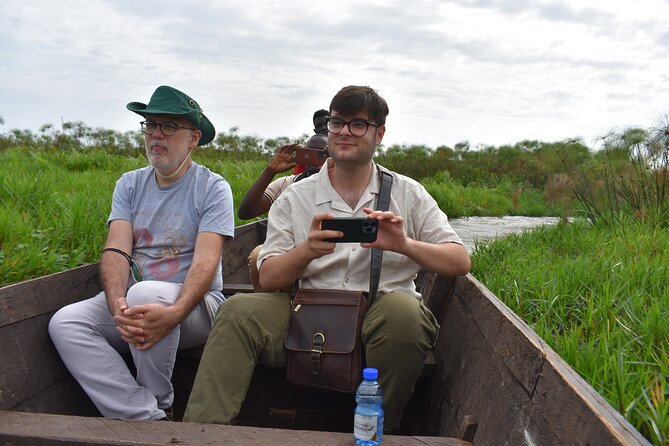
You reach the swamp by boat, using the included boat transfer and entrance fee. The channels lead through papyrus and other wetland plants, where the shoebill can sometimes be found. This large, prehistoric-looking bird is the star of the outing, but the bird list is much longer.
You might see a pallid harrier, black kite, papyrus canary, papyrus gonolek, blue swallow, white-winged warbler, Goliath heron, malachite kingfisher, gull-billed terns, cisticolas, weavers, and other wetland species. Sightings depend on conditions and luck, so you should treat the shoebill as a possibility rather than a promise.
I like that this is not just a quick photo stop beside a lake. The boat ride gives you a better sense of why wetlands matter. They provide habitat for birds and support local environmental work, while also showing you a quieter side of Uganda than a standard city tour.
The two-hour time allowance is useful, but it can also feel tight if you are serious about bird photography. If seeing the shoebill is your main goal, tell your guide at the start. One couple made that request and focused the day on the shoebill, the wildlife centre, and the botanical gardens.
A few more Kampala trips to weigh up
Uganda Wildlife Conservation Education Centre: more than a zoo visit
The Uganda Wildlife Conservation Education Centre was established in 1952 to rescue and rehabilitate injured and orphaned wildlife. It now holds more than 400 indigenous wild animals, 500 plant species, and more than 250 bird species.
You may see zebras, antelopes, monkeys, giraffes, cheetahs, rhinos, chimpanzees, warthogs, and lions. Birds and reptiles are also part of the collection. The shoebill may appear here as well, but Mabamba is the better place to focus on that species in a wetland setting.
The value of this stop comes from its conservation purpose. Your guide can help connect the animals to Uganda’s wider wildlife work, rather than leaving you to walk past enclosures without context. That makes the two-hour visit more useful for anyone who wants to understand rescue and rehabilitation.
I would not book this tour expecting a full safari. You are visiting a conservation and education centre, not a national park, and the animals are gathered in one managed setting. Still, it is a practical way to see species that would be difficult to find during a short stay around Entebbe.
The centre also gives the day a good opening. You start with familiar African wildlife, then move into wetlands, plants, reptiles, and religious history. That variety helps explain why the tour feels fuller than a simple city sightseeing loop.
Two hours among the old trees at Entebbe Botanical Gardens
The Entebbe Botanical Gardens date from 1898 and protect many long-established tree species. The setting gives you a break from the vehicle and a chance to walk in fresh air while looking for birds.
The gardens are also planned around views of the Entebbe Peninsula. You will walk toward a cliff area for views across the peninsula, adding a sense of place that an indoor attraction cannot provide.
This is the most relaxed part of the route, though it is still not a long, leisurely garden visit. The schedule allows about two hours, which should give you time for a walk, bird watching, and the viewpoint. Wear shoes suited to walking, since the day includes several outdoor stops and a moderate fitness level is recommended.
I like the gardens because they balance the animal-heavy parts of the tour. After seeing rescued wildlife and searching for birds in a swamp, you get a quieter look at Uganda’s plant life. You also see how close the green spaces are to Entebbe’s built-up areas.
Do not expect a formal botanical lecture or a carefully arranged ornamental garden based on the information provided. The appeal is the older trees, open air, birds, and peninsula views.
Uganda Reptile Village and its community purpose
The Uganda Reptile Village was established in 2003 as a community-based organisation. Its stated goal is to teach the local community about the value of eco-tourism, while protecting more than 20 reptile species and over 50 individual reptiles.
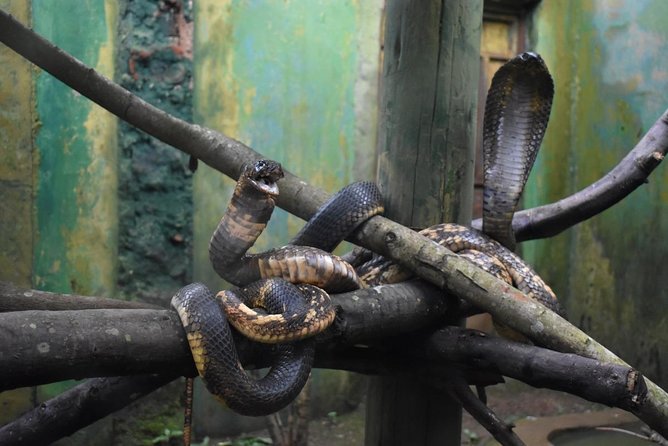
This is the stop for visitors who would rather look at a mamba from a safe distance than search for one in the wild. The collection includes mambas, pythons, vipers, cobras, puff adders, tortoises, monitor lizards, crocodiles, and chameleons.
The two-hour visit gives your guide time to explain the animals and their role in the local environment. The stop also adds an important human element: conservation is not only about large mammals. Education, local involvement, and changing attitudes toward reptiles matter too.
Some people will find this the most memorable stop, while others may be less comfortable around snakes. You should know what is included before booking, especially if your group has a strong fear of reptiles. The itinerary does not suggest that you handle the animals, and the attraction is presented as an educational visit.
I like the contrast with the wildlife centre. There, you see a wide collection of large animals and birds. Here, the focus narrows to reptiles and community conservation. The result is a better sense of the different groups working to protect Uganda’s natural life.
Same base, a completely different kind of trip:
- 3 Hours Guided Cycling Tour Across Lake Victoria
★ 5.0 · 151 reviews - Kampala’s Best Experience walking tour
★ 5.0 · 137 reviews - 3 Days gorilla trekking Safari tour in Uganda
★ 5.0 · 121 reviews - Lake Victoria Island Cycling Tour from Kampala
★ 5.0 · 120 reviews
Kigungu adds a short but meaningful historical stop
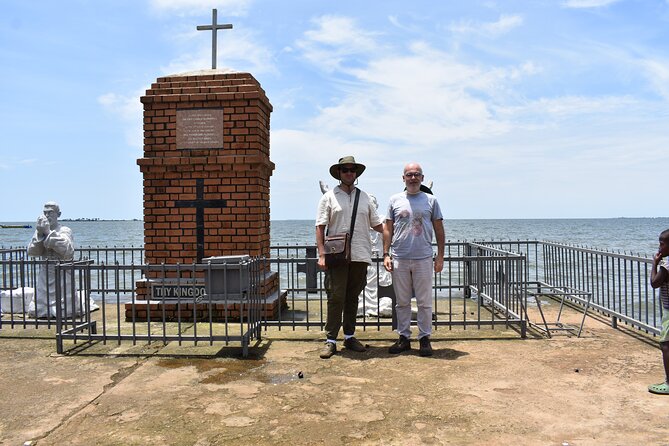
Kigungu is described as the arrival point of Catholicism in Uganda in the 18th century. The visit lasts about one hour and has no separate admission fee.
This is a shorter stop than the wildlife centre, swamp, gardens, or reptile village, but it gives the tour a cultural and religious layer. You are not only seeing animals and plants. You are also visiting a place connected to Uganda’s religious past.
The information supplied does not promise a long museum visit or an extensive guided walk, so I would keep expectations modest. Think of Kigungu as a compact historical pause rather than the main event of the day.
That shorter format works well in a tour already filled with outdoor activities. If you are interested in religious history, ask your guide to explain the site and its place in Uganda’s story. The exact amount of detail may depend on the guide and the time available.
Lunch, transport, and what the $270 price covers
The tour costs $270 per person. That is a substantial price, but it includes private transport in a 4WD minibus, fuel, boat transfers at Mabamba, entrance fees at each listed site, an English-speaking driver-guide, and a Ugandan lunch with a soft drink or mineral water.
The value depends on how much of that package you would otherwise need to arrange yourself. You are paying for a full private day, not just admission to one attraction. The guide also links together wildlife, wetlands, botany, reptiles, and history, which would be harder to organise efficiently on your own.
The lunch is a welcome part of the plan. One particularly positive account singled out the meal, and the tour specifically offers an authentic Ugandan meal at a local restaurant. Food choices and restaurant availability may change, especially on a public holiday or during a major festive period.
Extra meals, drinks, and personal expenses are not included. You also pay separately for tips and gratuities. Travel and medical insurance are not part of the price, so arrange those independently if needed.
Pickup is offered, with an advertised start time of 8:30 a.m. The tour runs about nine to ten hours, though the five stops already account for roughly nine hours before allowing for driving and changes between activities. That tells you to expect a long day and some schedule pressure.
A private day with a guide who shapes the experience
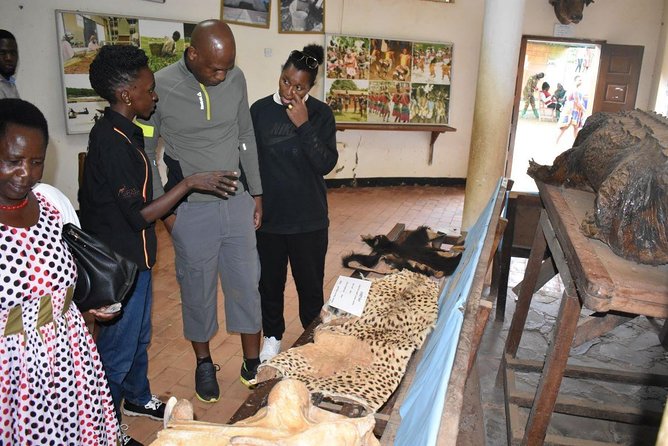
This is a private activity, so only your group participates. That is a useful advantage if you want to spend more time at the swamp, shorten a stop, or ask more questions about local customs and wildlife.
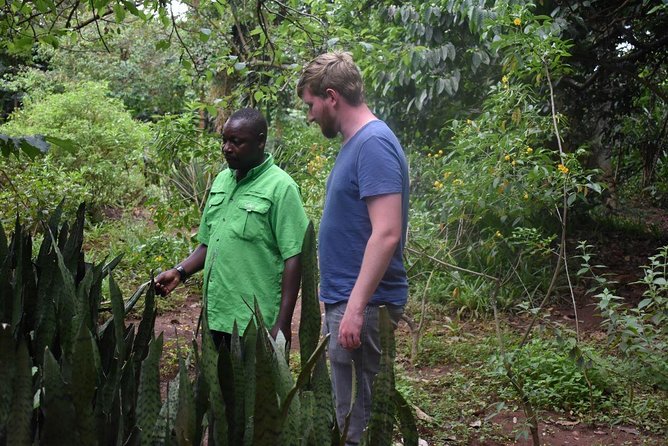
Hillary is the guide named most often in the supplied feedback. He was praised for explaining Ugandan history, customs, and wildlife, and for meeting a hotel pickup with a raincoat and safari blanket. Those details suggest a guide who pays attention to comfort as well as information, though guide assignments can vary.
Matthew and Olivia are also mentioned as guides who helped make a day enjoyable. The key point is that the guide can greatly affect the balance of the tour. A well-informed guide adds meaning to the animal collections and helps identify birds. A less engaging guide could leave the schedule feeling like a string of admissions and photo stops.
You should tell the company what matters most to you. If birds are your priority, say so. If you care more about reptiles, conservation, or local history, make that clear before setting off. The private format gives you a better chance of shaping the day than a large group tour would.
What the day feels like in practice
The tour is active but not described as strenuous. You travel by vehicle, take a boat, and walk through the gardens and attractions. A moderate level of physical fitness is recommended, so this is not the right choice if you want a day spent almost entirely sitting.
Rain can matter. One guide reportedly supplied a raincoat and safari blanket, but you should not assume those items are standard for every departure. Bring practical clothing for changing weather and outdoor walking.
The day also depends on timing beyond your control. A public holiday once limited local restaurant choices and affected other activities. That does not make the tour a poor choice, but it is a reason to keep your expectations flexible.
The strongest days will likely be those when the shoebill appears, the guide is active with explanations, and the lunch stop runs smoothly. The weaker days may feel overfilled, especially if you are not equally interested in all five subjects.
Who should book this Entebbe eco tour?
I would recommend it to you if you have one full day around Entebbe and want a broad introduction rather than a single specialist activity. It suits first-time visitors, families with mixed interests, bird lovers who also want wildlife, and anyone who prefers private transport with a guide.
It is especially useful if your Uganda trip is short. You can see large mammals, wetland birds, old botanical trees, reptiles, and a religious site without arranging separate taxis, boat transfers, and entrance tickets.
I would hesitate if you want a slow birding day. Two hours at Mabamba may not be enough for a serious birding schedule, and the other stops take up much of the day. I would also think twice if your budget is tight, since $270 per person is easier to justify for a private group that will use the included transport and admissions fully.
The tour has a strong mix of nature and culture, but it is not a substitute for a national park safari or a specialist birding expedition. Its strength is convenience and variety.
Should you book it?
Book this tour if you want to make Entebbe part of your Uganda experience instead of treating it as an airport stop. The shoebill boat trip, included admissions, private vehicle, Ugandan lunch, and conservation-focused attractions give the day real value for visitors with limited time.
Before you pay, make one request clear: prioritise the shoebill if that is your main goal. Also confirm your pickup details, tell the guide about any mobility or food concerns, and allow for a long day. With those expectations in place, this is a useful, varied introduction to Entebbe.
FAQ
How long does the Entebbe Eco Tour last?
The tour lasts approximately 9 to 10 hours. It begins at 8:30 a.m.
What is the main wildlife highlight?
The main wildlife highlight is the boat trip at Mabamba Swamp, where you may search for the rare shoebill stork. The wetland has more than 260 recorded bird species.
Is the Mabamba boat transfer included?
Yes. Mabamba boat transfers and entrance fees are included in the tour price.
Is this a private tour?
Yes. Only your group participates in this private tour or activity.
What transportation is provided?
Private transport is provided in a 4WD minibus, including fuel. An English-speaking driver-guide accompanies you.
Is lunch included?
Yes. A Ugandan lunch with a soft drink or mineral water is included. Extra meals, drinks, and beverages are not included.
What should I expect at Uganda Reptile Village?
You can see more than 20 reptile species and over 50 reptiles, including mambas, pythons, vipers, cobras, puff adders, tortoises, monitor lizards, crocodiles, and chameleons.
Can I cancel for a full refund?
Yes. You can cancel at least 24 hours before the experience start time for a full refund. Cancellations or changes made less than 24 hours before the start time are not accepted for a refund.
Just added around Kampala
- 7-Day Uganda Adventure Safari – Midrange Lodges★ 5.0 · 3 reviews
- Entebbe kampala airport transfers★ 5.0 · 3 reviews
- 5 days gorillas and chimpanzee tracking★ 4.5 · 3 reviews
- A Thrilling 1-Day Rhino Tracking Tour in Uganda★ 5.0 · 3 reviews
- 4-Day QENP, Gorillas in Bwindi and Lake Bunyonyi relaxation★ 5.0 · 3 reviews
- 3 Days Murchison Falls Wildlife Safari★ 4.5 · 3 reviews
- Kampala: Female-Guided Walking Tour★ 3.7 · 3 reviews
- 3 Days Private Tour in Murchison Falls National Park★ 5.0 · 3 reviews
Kampala Tours, compared.
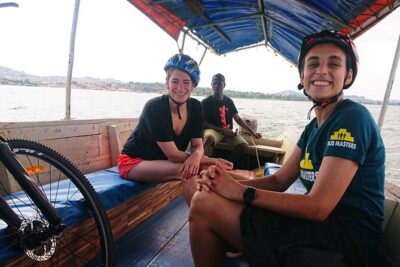
3 Hours Guided Cycling Tour Across Lake Victoria
Read our review →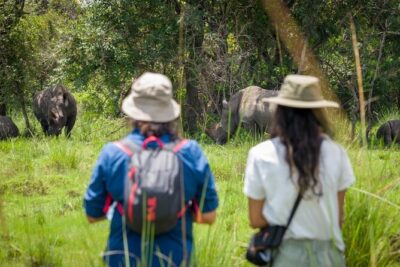
3 Days gorilla trekking Safari tour in Uganda
Read our review →
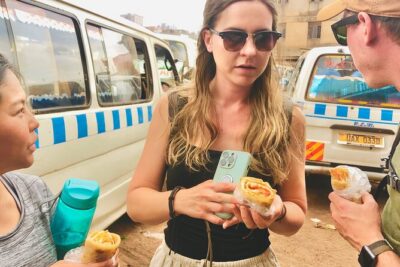
Steve Kampala Walking tours (Airpals Safaris tour)
Read our review →
8-Day Murchison Falls, Chimp and Epic Gorilla Trekking Safari
Read our review →
3 Days Murchison Falls Adventure Wildlife Safari Uganda Tour
Read our review →
Browse the lists this tour appears in