
Reviewed · EQUATOR CROSSINGS
Discover the Magic of Uganda’s Equator on a 1-Day Tour
The most memorable part of this outing is simple: you can place one foot in the Northern Hemisphere and one in the Southern Hemisphere, then watch water drain in different directions on either side of the line. It is a clever, hands-on stop rather than a grand monument, and it gives you a playful way to think about geography.
I like the small-group format, listed at up to 10 people, and I like that lunch, drinking water, transport logistics, and an English-speaking driver-guide are handled for you. Guides including Dan, Daniel, Robert, and Richard have been praised for safe driving, local stories, and easygoing service.
The main drawback is the drive from Kampala for what is essentially one main attraction. The equator marker itself is a short stop, so the value depends on how much you appreciate the journey, the experiments, the lunch, and the chance to get outside Kampala. Also confirm the pickup point and exact meeting time before paying.
Key points to know before you book
- Watch the water experiment: The most entertaining activity shows water draining in different directions north and south of the equator.
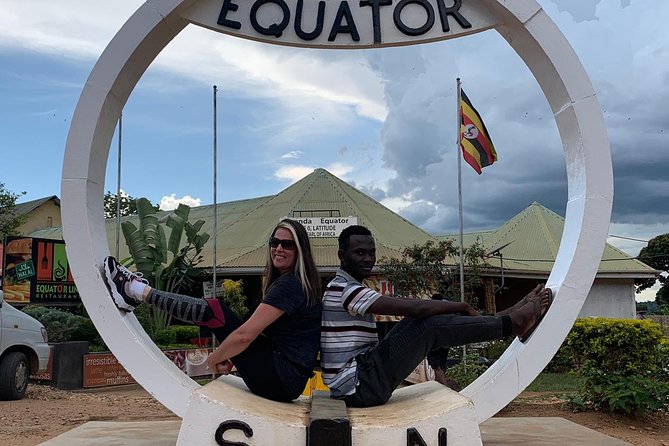
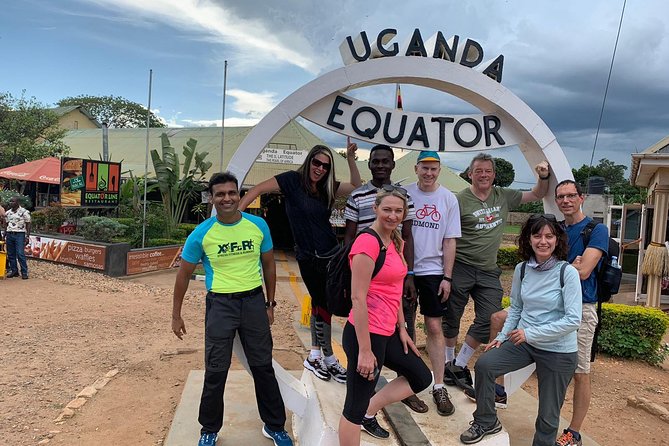
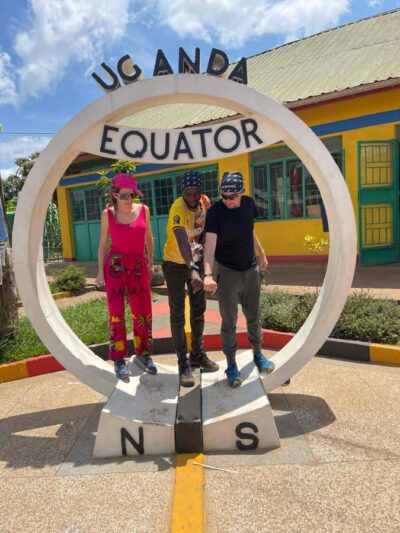
- Stand in two hemispheres: The painted line and marker create an easy, memorable photo opportunity.
- Expect lunch to be local: A meal is included, and the food may be served at a restaurant recommended by your guide.
- Ask for your certificate: The personalized certificate may be available for purchase at a reduced price, so do not assume it is included in the tour price.
- Plan for a warm stop: Wear light clothing, use sunscreen, and bring water, even though drinking water is provided.
- Check pickup details: Pickup is offered, but hotel pickup and drop-off within Kampala are listed separately from the included services, and trips outside Kampala may cost an extra $30.
Why this short Uganda equator trip works
This is a compact excursion with a clear purpose. You leave Kampala, reach the equator at Kayabwe on Masaka Road, spend time with the marker and demonstrations, eat lunch, and return to the starting point.
You are not signing up for a full safari or a packed sightseeing day. The appeal is the novelty of crossing one of the world’s best-known lines, plus the chance to hear about Uganda from a local driver-guide. If you have limited time in the country, this makes a practical addition to a Kampala stay.
The experience is also friendly to a wide age range. Ages 7 to 90 are welcome, and most people can take part. That makes it suitable for families, couples, friend groups, and older visitors who want a manageable outing without a strenuous walk.
The tour has received a 100 percent recommendation rate from 12 listed ratings, with particular praise for the drivers. Dan is repeatedly singled out for professional driving and a good sense of fun. Daniel is praised for explaining Ugandan history and culture, while Robert is described as careful on the road and helpful throughout the day. Richard is remembered for making conversation easy and connecting visitors with people along the way.
Those details matter. At an attraction that may take only a few hours, your guide shapes much of the experience. A driver who explains what you are seeing and handles the road calmly adds real value.
More equator stops on the way south:
- Lake Mburo National Park with Equator, Game Drive & Cruise
★ 3.7 · 12 reviews - Equator Tour (Airpals Safaris tour)
★ 5.0 · 9 reviews - Half Day Equator Tour
★ 4.5 · 5 reviews
From Kampala to Kayabwe on Masaka Road
The meeting point is in Kampala, and the outing ends back there. The supplied timing lists a 12:00 am start, which is unusual for a four-hour activity and may be a data-entry error. Confirm the actual departure time directly before you go. The description also calls this a one-day trip, while the stated duration is about four hours. Treat the four-hour figure as an estimate and allow extra time for Kampala traffic.
Pickup is offered, but the included services do not clearly cover hotel pickup and drop-off within Kampala. An additional $30 applies for pickup outside Kampala. You should confirm exactly where the vehicle will meet you, especially if you are staying outside the central area or arranging the trip at short notice.
The drive is part of the outing, not just a transfer. Kampala traffic can make even a short distance feel slow, so your guide may be as important on the road as at the equator. The trip gives you a break from the city and a look at the route toward Kayabwe, though no detailed sightseeing stops are promised along the way.
Transportation is by vehicle with a driver-guide, and one rating describes a comfortable minivan. The group size is advertised as no more than 10, which should allow easier conversation and quicker stops than a large coach. One section of the information lists a maximum of 100 participants, so ask which group limit applies to your departure. This is a small point, but group size can change the feel of a brief attraction.
The equator marker and the photo stop
The main stop is Green Equator Masaka Road. Here you can stand on the marked equator line and take photographs with one foot in each hemisphere. The setting is designed for this kind of visit, with a sign, a painted line, and space to pause for pictures.
You will not find a huge complex of sights here. One of the useful things about the stop is that it does not pretend to be something it is not. The attraction is the line, the marker, the demonstrations, and the meaning attached to being at this point on the globe.
I would allow enough time for more than a quick photograph. Look at the marker, listen to the explanation, and ask your guide about Uganda’s position on the equator. A certificate can add a nice personal touch, especially for children or anyone collecting meaningful travel mementos.
The certificate is personalized with your name and an official equator stamp. The information is slightly mixed on the cost: one description suggests you receive a certificate at the end, while the stop description says it is available for purchase at a discounted price. Budget for it as an optional extra unless the operator confirms it is included.
A certificate also lists the countries and oceans located along the equator, according to the activity details. That gives the souvenir more value than a generic ticket, since it connects your visit to the broader geography of the equatorial line.
The water experiment is the real highlight
The water demonstration is the most distinctive part of the stop. You can watch water drain in different directions north of the line, south of the line, and directly on it. It turns an abstract lesson about the equator into something you can see right in front of you.
The experiment is presented as a scientific demonstration, and it is best treated as an entertaining introduction rather than a full physics class. Your guide can explain the setup and help you compare the three positions. This is especially effective for families, since children can watch the test and then step onto the line themselves.
You may also hear other facts about the equator, Ugandan history, and local culture. Daniel, one of the guides named in the feedback, is praised for adding this wider context. That is useful because the physical marker alone would make for a very short visit.
Bring your camera or phone. The photo of yourself crossing the line is the obvious souvenir, but you can also photograph the marker, the painted line, and the demonstration. The sun can be strong, so a hat, light clothing, sunscreen, and water are sensible. Drinking water is included, but you should still dress for a warm outdoor stop.
A few more Kampala trips to weigh up
- 1 Day Ngamba Island chimpanzee tour
★ 4.5 · 9 reviews - 1 Day Lake Mburo Tour from Kampala
★ 5.0 · 9 reviews - 1 Day Best Mabamba Swamp Shoebill Birding Tour, Lake Victoria
★ 5.0 · 6 reviews - 1 Day Lake Mburo Wildlife Safari
★ 5.0 · 6 reviews
Lunch adds local flavor to a brief outing
Lunch is included, which improves the value of the trip. One account describes a local meal at a restaurant recommended by the guide, with authentic food and a pleasant break before returning to Kampala.
The exact menu is not specified, so do not book this expecting a particular dish or a restaurant chosen in advance. The benefit is convenience and a chance to eat local food without having to arrange another stop yourself.
I like this part of the plan because the equator visit can otherwise feel too brief. Lunch gives you time to slow down and talk with your driver-guide. It also turns a simple photo stop into a more rounded half-day outing.
Breakfast and dinner are not included. Accommodation is not included either, so this is best planned as an excursion from your Kampala base. Personal health, third-party, and travel insurance are also your responsibility, as is visa processing.
The guides make the difference
The operator is Dark Hills Uganda, and the named drivers include Dan, Daniel, Robert, and Richard. You may not receive a particular guide, but these names help show the kind of service to expect: careful driving, clear communication, and conversation about Uganda beyond the equator line.
Dan is repeatedly described as professional, experienced, and fun. Robert is praised for safe driving and for making the day run smoothly. Daniel is noted for his explanations of local history and culture. Richard is remembered for knowing people along the route and helping visitors feel connected to everyday Uganda.
That local contact is one of the better reasons to choose a guided trip rather than arranging transport alone. The marker requires little planning once you arrive, but the driver can help with timing, lunch, directions, and questions.
You should still be clear about what you want. If you are interested in photography, ask for enough time at the line. If you want cultural context, tell the guide. If you are traveling with children, ask them to explain the water test in simple terms. A short tour improves when the guide knows what will make the stop meaningful for you.
Is $136.37 a fair price?
At $136.37 per person, this is not the cheapest way to see an equator marker. The value comes from the bundle: transport from Kampala, an English-speaking driver-guide, lunch, drinking water, the experiments, and the convenience of returning to the starting point.
For a solo visitor, the price may feel high for a four-hour activity centered on one attraction. You are paying for the vehicle, driver, fuel, coordination, and the ease of having someone handle the route. If you arranged a taxi independently, the price comparison would depend on the number of people, the vehicle, the driver’s waiting time, and the quality of the guidance.
For two or more people, the trip becomes easier to justify, especially if you value a private or small-group feel. Group discounts are offered, though the actual discount is not stated. Ask about the final total before booking.
The price looks better if you have limited time in Uganda and want a simple excursion without spending a full day organizing transport. It looks less attractive if you want several major sights, wildlife, or a long cultural program. This is a focused trip, and its value depends on matching that focus to your plans.
Who should book this experience?
I would recommend it to first-time visitors who want to mark their arrival in Uganda with an easy geographical landmark. It also suits families with children old enough to enjoy a simple science demonstration, couples seeking a memorable photograph, and groups who want a short break from Kampala.
It is a good choice if you have only a few hours free. The activity is also suitable for older visitors because the main stop is centered on standing, watching, taking pictures, and eating rather than a demanding hike.
I would be more cautious if you expect a full sightseeing day. The equator marker is interesting, but it is not a large attraction with hours of exhibits. You may finish the main visit quickly if you skip the experiment, lunch, or certificate.
The tour is also less suitable if you need a tightly fixed schedule. Kampala traffic can affect the drive, the activity lists conflicting start and maximum-group information, and bad weather may lead to a different date or a refund. Confirm these details before setting up airport transfers or another timed booking.
Practical tips for a smoother visit
Wear light clothes and use sunscreen. The stop is outdoors and described as warm, so comfortable footwear and protection from the sun will help.
Keep some flexibility in your day. The listed duration is about four hours, but traffic and the exact pickup arrangement can affect the total time.
Ask two questions before departure: What is the confirmed start time, and is hotel pickup within Kampala included? Also confirm whether the certificate costs extra and what group size applies.
If you are traveling with friends, ask about the group discount. The operator accepts mobile tickets, and confirmation is received at booking, which makes last-minute arrangements possible. Still, a short-notice booking should include a direct check of pickup, lunch, and driver details.
Free cancellation is available up to 24 hours before the local start time for a full refund. Cancellations or changes made within 24 hours are not accepted for a refund. The activity depends on good weather, and a weather cancellation should result in a different date or a full refund.
Should you book the Uganda equator tour?
Book it if you want a manageable Kampala outing with a clear highlight, a local lunch, and a guide who can add stories to the road. The water experiment and the two-hemisphere photo make the visit more engaging than simply stopping beside a sign.
Skip it if you need a packed day of major attractions or if $136.37 feels too much for one short stop. Before booking, confirm the start time, pickup terms, group limit, certificate price, and exact equator site. With those details settled, this is a pleasant, practical way to add one of Uganda’s classic geographical experiences to a short visit.
FAQ
How long does the Uganda equator tour last?
The activity is listed as approximately four hours. Traffic between Kampala and the equator site may affect the total time, so allow some flexibility.
Where does the tour start and end?
It starts in Kampala, Uganda, and ends back at the meeting point. Confirm the exact pickup location before departure.
Is hotel pickup included in Kampala?
The information says pickup is offered, but hotel pickup and drop-off within Kampala are listed among services that are not included. Confirm the arrangement with Dark Hills Uganda. Pickup outside Kampala costs an additional $30.
Is lunch included?
Yes. A local lunch is included, along with drinking water. Breakfast and dinner are not included.
What happens at the equator stop?
You can take photographs on the equator line and watch experiments showing water draining in different directions north, south, and directly on the equator.
Is a certificate included?
A personalized certificate with your name and an official equator stamp is available at a discounted price, but the information does not clearly confirm that it is included in the tour price. Ask before booking.
Can children and older adults join?
The activity welcomes ages 7 to 90, and most people can participate. It is centered on the marker, experiments, photos, lunch, and transport rather than strenuous activity.
Just added around Kampala
- 7-Day Uganda Adventure Safari – Midrange Lodges★ 5.0 · 3 reviews
- Entebbe kampala airport transfers★ 5.0 · 3 reviews
- 5 days gorillas and chimpanzee tracking★ 4.5 · 3 reviews
- A Thrilling 1-Day Rhino Tracking Tour in Uganda★ 5.0 · 3 reviews
- 4-Day QENP, Gorillas in Bwindi and Lake Bunyonyi relaxation★ 5.0 · 3 reviews
- 3 Days Murchison Falls Wildlife Safari★ 4.5 · 3 reviews
- Kampala: Female-Guided Walking Tour★ 3.7 · 3 reviews
- 3 Days Private Tour in Murchison Falls National Park★ 5.0 · 3 reviews
Equator Crossings, compared.

Lake Mburo National Park with Equator, Game Drive & Cruise
Read our review →

Browse the lists this tour appears in