
Reviewed · HIKING & TREKKING
7 Days Rwenzori Summit (Margherita Peak) Hike
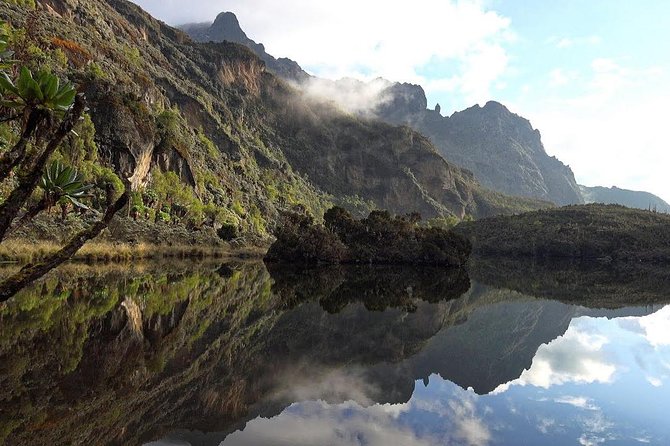
Margherita Peak is reached by a hard, rewarding route through Uganda’s Rwenzori Mountain National Park, where rainforest gives way to giant plants, rocky passes, alpine lakes, snow, and remaining glaciers. This is not a casual walk. It is a serious 7 to 8-day mountain trek with long days, high altitude, wet ground, and a summit push that tests your legs and judgment.
I like the way the price includes park fees, meals, bottled water, hut accommodation, guides, rangers, and hiking equipment. I also like the local support around the trek. Guides and porters have helped climbers through rainy-season conditions, difficult snow sections, and even luggage problems. The main drawback is that the advertised seven-day trip is paired with an itinerary running to eight days, so you should confirm the exact schedule before paying.
Key points to know before you book
- Margherita Peak is a real mountaineering challenge: You need strong physical fitness, not just a liking for scenic day hikes.
- The route changes character every day: Expect rainforest, rivers, waterfalls, giant vegetation, alpine lakes, rock, snow, and glacier terrain.
- A full support team travels with you: Expert guides and park rangers provide route help, safety support, and assistance at altitude.
- Meals and hut stays are included: Breakfast, lunch, dinner, bottled water, and overnight mountain huts reduce the amount you need to organize yourself.
- Some clothing is not included: Rain jackets and high-mountain pants are specifically excluded, despite the general promise of included hiking gear.
- The schedule needs clarification: The tour is sold as seven days, but the supplied route lists eight trekking days from Nyakalengija and back.
Why Margherita Peak is worth the effort
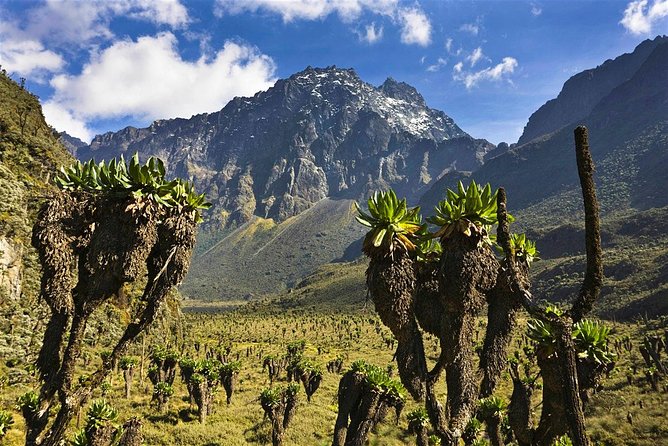
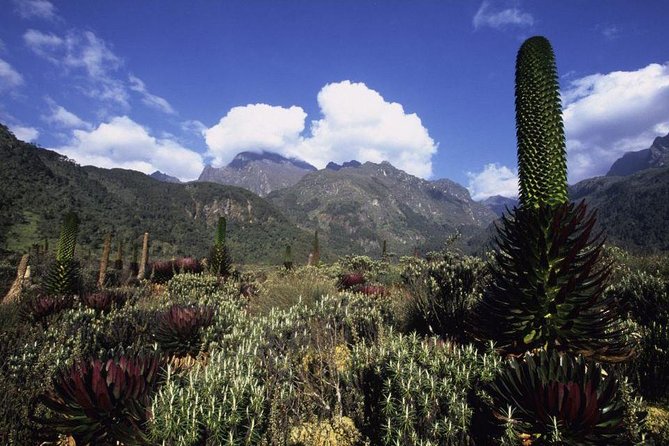
The Rwenzori Mountains offer a very different high-altitude experience from a dry, open summit route. Your first days pass through wet forest and river valleys, then the scenery shifts to strange high-altitude vegetation, open moorland, rock, snow, and ice. The change is gradual, which makes the route feel like several environments packed into one climb.
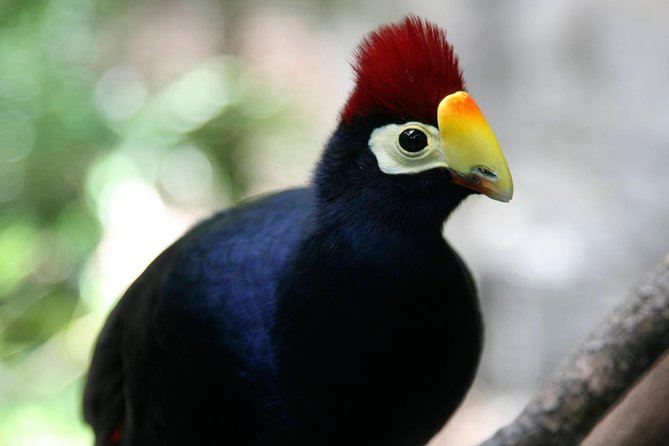
The wildlife is another reason to choose this trek. Blue monkeys and three-horned chameleons may appear in the lower sections, while the plants become the real stars higher up. The route includes waterfalls, rivers, alpine lakes, and unusual mountain flora that you are unlikely to see on a standard East African safari.
The summit is Margherita Peak, one of the highest points in Africa and the highest summit in the Rwenzori range. Conditions can be wet and cold, and the route may involve snow and glacier terrain. That is why guides and park rangers matter here. Their support is not decoration. It is part of what makes a demanding climb possible.
More treks around Uganda:
- 3 Days gorilla trekking Safari tour in Uganda
★ 5.0 · 121 reviews - 1 Day Sipi falls hike
★ 5.0 · 100 reviews - 8-Day Murchison Falls, Chimp and Epic Gorilla Trekking Safari
★ 5.0 · 72 reviews
The money question: what $1,435.90 buys you
At $1,435.90 per person, this trek is not a budget walk, but the price covers many costs that can add up quickly on a self-arranged expedition. National Park entrance fees for seven to eight days are included, along with three daily meals, bottled water, guides, rangers, hiking gear, and hut accommodation.
That package gives you a useful level of cost control. You are not paying park charges one day at a time, wondering how food will reach the huts, or arranging a separate mountain team after arrival. The small-group limit of 15 people also keeps this from being a private climb by default, but it remains more personal than a large coach excursion.
The value depends on how much equipment is actually supplied and in what condition. Ask for a current gear list before departure. The information says all hiking gear is included, but it also clearly excludes rain jackets and high-mountain pants. Those are not minor items in the Rwenzori, where rain, cold, and wet ground can define the day.
Insurance, tips, visas, flights, and transport beyond the stated pickup arrangement are also your responsibility. Build those costs into the real budget. The advertised start point is Trek Rwenzori Tours on Rukidi III Street in Fort Portal, and pickup is offered, but the exact pickup area and any extra transport charge should be confirmed.
Day 1: Nyakalengija to Nyabitaba Hut
The trek begins at Nyakalengija, at about 1,615 meters, and climbs to Nyabitaba Hut at 2,651 meters. This first day is your introduction to the pace and conditions. The route moves from the trailhead toward the mountain through lower forest and rising terrain.
Do not treat this as a gentle warm-up. You gain more than 1,000 meters, and the combination of humidity, uneven ground, and a loaded daypack can make the distance feel longer than expected. Use this day to learn the group rhythm and to see how your boots, socks, and rain protection behave.
Nyabitaba is the first overnight hut. The value of staying in huts is simple: you do not need to carry a tent and a complete camping setup. In exchange, comfort is basic, and you should expect a mountain shelter rather than a hotel room.
Day 2: Mubuku River and John Matte Hut
From Nyabitaba, the route drops or traverses toward the Mubuku River at around 2,600 meters before climbing again to John Matte Hut at 3,380 meters. Rivers and forest make this section visually appealing, but wet crossings and muddy ground can slow the group.
This is also the point where altitude starts to become a serious part of the trip. You are not yet near the summit, but your body is already adjusting to thinner air. Walk steadily, drink the provided water, and tell the guide early if you develop a headache, nausea, unusual fatigue, or poor coordination.
The guides are especially useful here because the route is not only about distance. They help manage pace and terrain, while the park rangers add another layer of support in the national park. Past climbers have praised the team’s calm encouragement during tough conditions, and that kind of help is worth more than a fast pace.
A few more Uganda trips to weigh up
- 7-Day Murchison Falls, Chimps & Gorilla Trekking
★ 5.0 · 17 reviews - 7 Days Fort Portal Culture Tour Western Uganda
★ 5.0 · 6 reviews - 7-Day Private Uganda Gorilla Tracking Safari Tour From Entebbe
★ 5.0 · 5 reviews - 7 Days Flying Gorillas and Wildlife Safari Uganda Private Tour
★ 5.0 · 5 reviews
Day 3: John Matte to Bujuku Hut
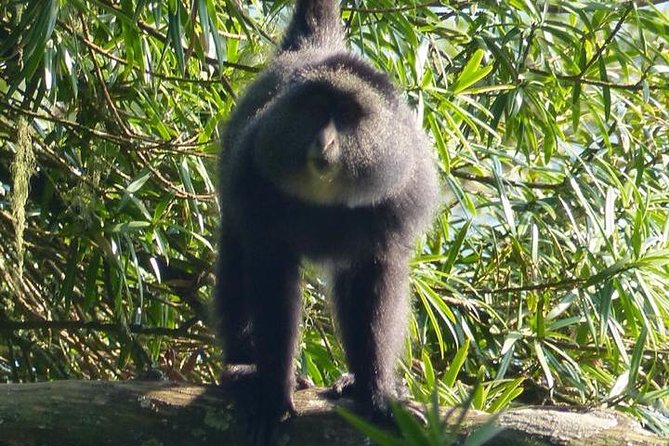
The route continues from John Matte Hut to Bujuku Hut, listed at roughly 3,962 to 3,977 meters. This is a high mountain day, and the scenery begins to feel more open and unusual.
Bujuku is associated with an alpine setting of lakes and distinctive high-altitude vegetation. This is where the Rwenzori starts to look unlike a conventional tropical mountain. The wet forest has given way to broad views, open ground, and plants shaped by cold, wind, and heavy moisture.
The drawback is that the trail can be tiring even when the mileage looks manageable. At nearly 4,000 meters, every climb takes more effort. You will get more from this day if you keep your pace slow and avoid racing stronger members of the group.
Day 4: Bujuku Hut to Elena Hut
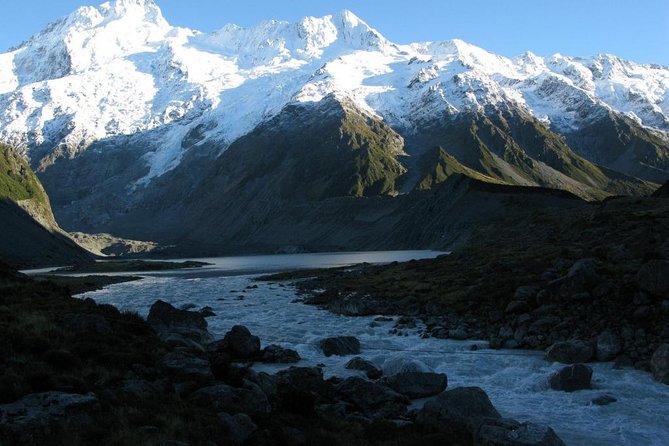
The climb from Bujuku Hut to Elena Hut takes you to approximately 4,541 meters. This is an important acclimatization day, and the itinerary allows a gradual gain rather than rushing straight from the valley to the summit.
Elena Hut is the high staging point before Margherita Peak. The air is thinner, the nights are colder, and the terrain is more exposed. You should expect a basic hut and a short night before the summit effort, not a full rest day with every comfort.
The itinerary notes that very experienced hikers may complete the wider trek in six or seven days, while most people need an extra day to acclimatize. I would take that warning seriously. Speed records are not the goal here. A slower schedule gives you a better chance of reaching the summit safely and enjoying the route instead of simply surviving it.
Day 5: Margherita Peak and Kitandara Hut
Summit day runs from Elena Hut to Margherita Peak, then down to Kitandara Hut at about 4,027 meters. This is the hardest and most memorable part of the trek.
The route can include rock, snow, and glacier terrain. You may need hands-on help from the mountain team, particularly on difficult sections or in poor weather. The supplied equipment helps reduce your packing burden, but you still need personal clothing suited to cold and rain. Bring the excluded rain jacket and high-mountain pants, and do not assume ordinary hiking trousers will be enough.
At the summit, the reward is the high Rwenzori setting: snow, ice, mountain ridges, and broad views when clouds allow them. Weather is a major factor, so reaching the summit is not simply a matter of determination. Good judgment from the guides is one of the most important parts of the experience.
The descent to Kitandara Hut comes after the summit effort, which makes this a very long day. Save energy, eat even when you are not hungry, and keep your hands and feet warm. The summit success stories connected with this operator include extremely fast ascents, but those efforts are exceptions. For most people, the normal itinerary is the wiser choice.
Day 6: Kitandara, Fresh Field Pass, and Guy Yeoman Hut
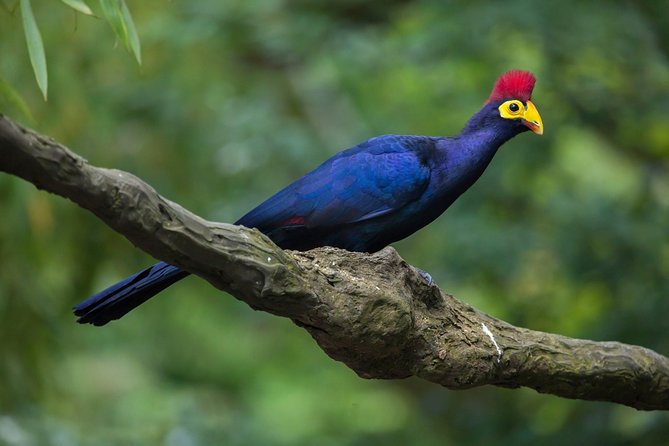
From Kitandara, the route crosses Fresh Field Pass at about 4,282 meters before descending to Guy Yeoman Hut at 3,450 meters. After the summit, this day provides a mix of remaining high-altitude scenery and gradual relief.
Fresh Field Pass is a major route feature. It gives you another high crossing after Margherita Peak and keeps the trek physically demanding even after the main summit has been completed. The descent to Guy Yeoman Hut should feel welcome, but tired legs can make downhill walking surprisingly hard.
This is also a useful reminder that the trek is not finished when you leave the summit. You still have several hours of mountain travel, and careful foot placement matters. Trekking poles, if included in the gear package, would be useful here. If they are not supplied, ask before you arrive.
Day 7: Guy Yeoman to Nyabitaba Hut
The route descends from Guy Yeoman Hut to Nyabitaba Hut, returning to the lower mountain zone. The change in vegetation becomes noticeable again as you lose altitude.
After several days above 3,000 meters, the thicker air can feel refreshing. You may also notice more forest life and a warmer, wetter atmosphere. The day is still active, but the psychological pressure of the summit is behind you.
The itinerary labels this Day 7, but it does not finish the trek. This is the central schedule issue you need to clarify. Some versions of the experience may count seven days differently, while the detailed route plainly includes an eighth day.
Day 8: Nyabitaba Hut to Nyakalengija
The final section returns from Nyabitaba Hut at about 2,651 meters to Nyakalengija at 1,615 meters. It completes the circuit and brings you back to the starting area.
This descent may look easy on paper, but eight days of walking can leave your knees and feet sore. Keep your boots tied securely, use support on slippery ground, and avoid rushing simply because the finish is close.
The activity ends back at the meeting point. The stated start time is 8:00 a.m., and confirmation is provided at booking. Since pickup is offered, check exactly where the vehicle will meet you and how the Fort Portal meeting point fits into your wider Uganda plans.
Guides, rangers, and the human side of the climb
The operator connected with this trek is Trek Rwenzori Tours. Names associated with trip planning and support include Emmanuel, Emma, Enoch, and John. The information also points to a larger mountain team that may include guides, park rangers, chefs, and porters.
That local structure is one of the strongest reasons to book an organized trek. Climbers have praised the communication, airport transfers, mountain staff, guides, and cooks. One especially useful detail is the repeated praise for guide judgment in rainy weather and on snow-covered sections. In a mountain where conditions can change quickly, patient route decisions are more valuable than loud confidence.
The food team matters, too. Breakfast, lunch, and dinner are included for the week, and cooks have received specific praise for their work. You should still tell the company about dietary needs before departure, since the supplied information does not explain special-meal arrangements.
Who should book this trek?
This suits you if you already hike regularly, can manage repeated long days, and want a serious mountain trip rather than a sightseeing tour with a short walk. The operator requires a strong physical fitness level, and that is a fair description.
It is also a good match if you value organized logistics. The package takes care of permits, park fees, food, water, huts, guides, rangers, and gear. That leaves you to focus on preparation, pacing, and staying healthy at altitude.
I would not choose it for a first-ever hiking trip, a relaxed family holiday, or anyone who dislikes wet weather and basic accommodation. The route is challenging even for fit people, and the remaining uncertainty over the seven-day versus eight-day schedule should be settled in writing.
The maximum group size is 15. That is small enough for a guided mountain experience without promising a private trek. If you want a smaller party, ask about private departures and any change in price.
Practical preparation that matters
Pack the items specifically excluded from the tour: a dependable rain jacket and high-mountain pants. Also ask what the phrase all hiking gear includes. You want clear answers about boots, warm layers, gloves, head protection, trekking poles, and any glacier or snow equipment required for the summit.
Bring clothing you can layer, since the route moves from warm, wet forest to cold high-altitude terrain. Keep spare dry items protected from rain inside your bag. Bottled water is provided, but you should still carry enough during each day’s walking and follow the guide’s advice.
Fitness preparation should focus on long uphill efforts followed by long descents. Practice walking on uneven ground, and wear in your boots well before the trip. Altitude cannot be trained away at home, so the best approach is a steady pace, honest communication, rest, and acceptance that the schedule may change for safety.
Free cancellation is available if you cancel at least 24 hours before the local start time. Cancellations within 24 hours are not refunded, and late changes are not accepted.
Should you book the Margherita Peak trek?
Book this if you want one of Africa’s most demanding mountain routes, with unusual vegetation, alpine lakes, snow, glaciers, and strong local support in one organized package. The high price makes more sense because so many major costs are included.
Before booking, confirm three things: the exact seven-day or eight-day schedule, the complete gear list, and the pickup arrangements. If you are fit, patient, and prepared for cold, rain, basic huts, and a very long summit day, this can be a remarkable Ugandan adventure. If you want an easy trek, choose something gentler.
FAQ
How long does the Margherita Peak trek take?
The experience is advertised as approximately seven days, but the detailed route runs from Day 1 through Day 8. The tour information says the trek generally takes seven to eight days, with very experienced hikers sometimes completing it in six to seven days.
What is included in the price?
The price includes National Park entrance fees for seven to eight days, breakfast, lunch, dinner, bottled water, expert guides, park rangers, hiking gear, and overnight hut accommodation.
Are rain jackets and high-mountain pants included?
No. Rain jackets and high-mountain pants are specifically listed as not included. Ask for the full equipment list so you know what the supplied hiking gear covers.
Where does the trek start and finish?
The meeting point is Trek Rwenzori Tours on Rukidi III Street in Fort Portal, Uganda. The activity ends back at the meeting point, and pickup is offered.
What fitness level is required?
You should have a strong physical fitness level. The trek includes repeated climbs, high-altitude huts, a demanding summit day, snow and glacier terrain, and several long descents.
What is the cancellation policy?
You can receive a full refund if you cancel at least 24 hours before the experience start time. Cancellations or changes made within 24 hours are not accepted and are not refunded.
Just added around Uganda
- 7-Day Uganda Adventure Safari – Midrange Lodges★ 5.0 · 3 reviews
- Entebbe kampala airport transfers★ 5.0 · 3 reviews
- 5 days gorillas and chimpanzee tracking★ 4.5 · 3 reviews
- 3 Days Murchison Falls Wildlife Safari★ 4.5 · 3 reviews
- 4-Day QENP, Gorillas in Bwindi and Lake Bunyonyi relaxation★ 5.0 · 3 reviews
- A Thrilling 1-Day Rhino Tracking Tour in Uganda★ 5.0 · 3 reviews
- Kampala: Female-Guided Walking Tour★ 3.7 · 3 reviews
- 3 Days Private Tour in Murchison Falls National Park★ 5.0 · 3 reviews
Hiking & Trekking, compared.
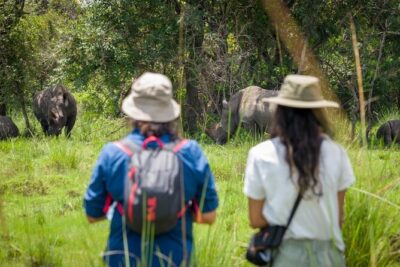
3 Days gorilla trekking Safari tour in Uganda
Read our review →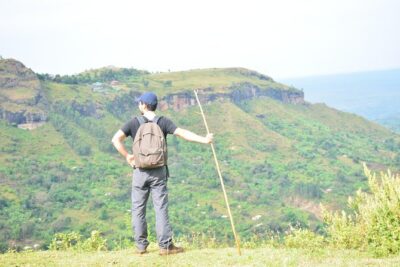
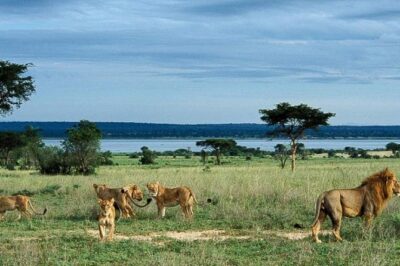
8-Day Murchison Falls, Chimp and Epic Gorilla Trekking Safari
Read our review →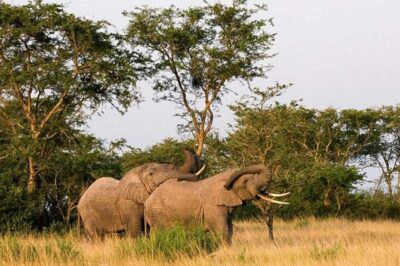
5-Day Pearl of Africa Chimps and Gorilla Trekking Safari
Read our review →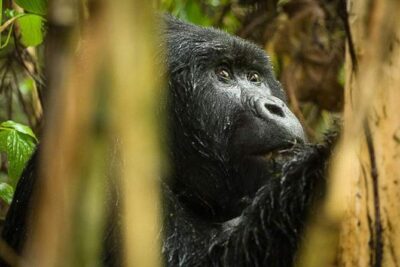
3-Day Tour to Uganda – Gorilla Trekking Bwindi Forest
Read our review →
4-Day Uganda Gorilla Trekking and Wildlife Safari
Read our review →
Private 3 Day Gorilla Trekking Safari in Uganda
Read our review →
15-Day Gorilla and chimps Trekking, Big 5 and Nature Sighting Safari
Read our review →Browse the lists this tour appears in