
Reviewed · GORILLA TREKKING
12-Day Big 5, Chimp & Gorilla Trekking Safari
The rare shoebill at Mabamba is a fitting final act to a safari that covers much of Uganda’s wildlife story. You begin with rhinos near Kampala, look for lions and leopards in Murchison Falls and Queen Elizabeth, track chimpanzees in Kibale, then spend a full day seeking mountain gorillas in Bwindi.
I like the excellent variety here: forest primates, open savanna, boat safaris, local salt mining, crater lakes, and a city tour all have a place. I also like the careful Big Five plan, with southern white rhinos at Ziwa making it possible to look for the full set in one trip. The main drawback is the pace. Long road days and several early starts leave little room for slow mornings or extra nights in each park.
Key points to know before booking
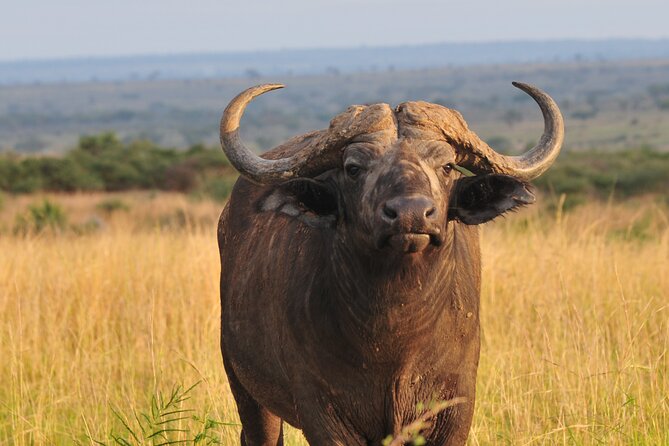
- Big Five route: Ziwa provides the rhino encounter, while Murchison Falls and Queen Elizabeth are the main areas for lions, leopards, elephants, and buffaloes.
- Two major primate days: Kibale brings chimpanzee tracking and Bigodi Wetland Sanctuary, while Bwindi offers a full gorilla trek with up to eight trekkers in a group.
- Two strong boat trips: A three-hour Nile cruise and a Kazinga Channel safari add close views of hippos, crocodiles, and water birds.
- A long but varied circuit: Kampala, Murchison Falls, Kibale, Queen Elizabeth, Bwindi, Lake Mburo, Jinja, Entebbe, and Mabamba all fit into 12 days.
- Guide continuity matters: Hamza is named in the guest feedback as a guide who handled planning, wildlife information, and safe travel well.
- Price and pace: At $4,300 per person, this suits someone who wants a broad Uganda program rather than a short, single-park safari.
From Kampala’s royal sites to the road north
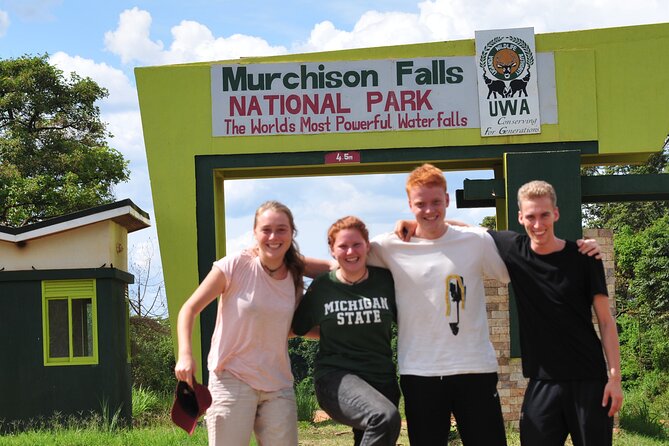
Your safari begins at Entebbe International Airport, where a representative from Exclusive Gorilla Vacations meets you and explains the 12-day plan. You then drive to Kampala for a city tour, a useful start if you have just arrived and want some context before heading into the parks.
The route includes the Kasubi Tombs, the burial place of Buganda kings, and Kabaka’s Palace, including the chambers linked to Idi Amin’s rule. You also visit the Buganda Parliament and Gaddafi National Mosque. Climbing the mosque’s minaret gives you a broad view over Kampala.
The markets at Owino and Nakasero add a more ordinary side of the capital. You see produce, street commerce, and daily city life rather than only formal sights. The first day is fairly full, so I would treat it as an orientation day, not a relaxed introduction to Kampala.
The second morning starts with a drive toward Ziwa Rhino Sanctuary. This stop is one of the smartest parts of the trip. Uganda’s southern white rhinos were wiped out in the wild during the 1980s, and Ziwa serves as a breeding and reintroduction site. It is also the place on this route where you can track rhinos on foot in a natural setting.
That visit helps complete the Big Five goal. You still need luck for leopard sightings, and no safari can promise every animal, but adding Ziwa gives the route a real advantage. After lunch, the road continues toward Murchison Falls National Park, with about six hours of touring and driving listed for the day.
More gorilla trekking permits and routes:
- 3 Days gorilla trekking Safari tour in Uganda
★ 5.0 · 121 reviews - 8-Day Murchison Falls, Chimp and Epic Gorilla Trekking Safari
★ 5.0 · 72 reviews - 5-Day Pearl of Africa Chimps and Gorilla Trekking Safari
★ 5.0 · 52 reviews
Murchison Falls brings the Nile and big mammals together
Murchison Falls works well early in this safari because it offers both classic savanna viewing and a major river experience. The first game drive begins at about 6 a.m., when nocturnal animals and predators may still be active.
You might find lions, leopards, and hyenas before the heat sends them into cover. Giraffes, buffaloes, antelopes, and hippos are also part of the search. The park is noted here for Nubian giraffes, which give the giraffe sightings a regional character rather than making them feel interchangeable with every other African park.
The morning includes a coffee and snack before the drive, a breakfast break, and then more wildlife viewing before lunch at the lodge. That rhythm is practical. Early starts give you the best chance at active animals, while the middle of the day is better spent resting.
In the afternoon, you take a three-hour cruise on the Nile toward the falls. Crocodiles and hippos are the regular stars, but keep watch along the banks for elephants and buffaloes. Aquatic birds add another layer to the trip, especially if you enjoy photography or bird identification.
The boat cruise is valuable because it changes your viewing angle. Instead of following tracks over dirt roads, you watch animals gather at the water’s edge. It also gives your body a break after the early game drive, though the day remains long at roughly six hours of scheduled activity.
Kibale gives you two different forest experiences
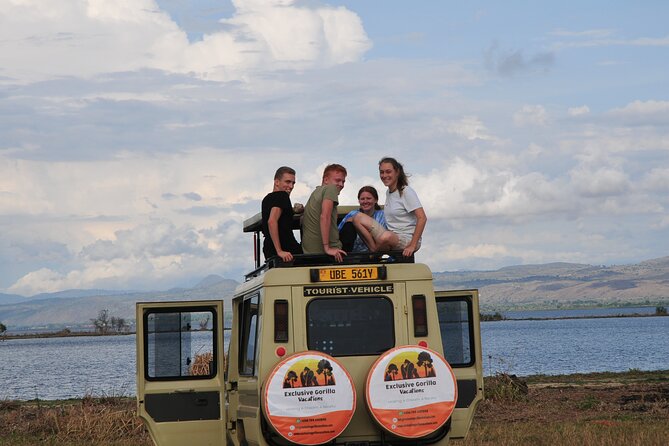
Day four is mainly a transfer to Kibale National Park, but it is not an empty road day. The route includes the Butiaba Escarpment, where you can look toward Lake Albert and the eastern arm of the Great East African Rift Valley.
The road then passes tea plantations around Fort Portal. These views offer a welcome change after Murchison’s open country. With lunch along the way and arrival in the evening, you should expect a travel-heavy day rather than a park activity day.
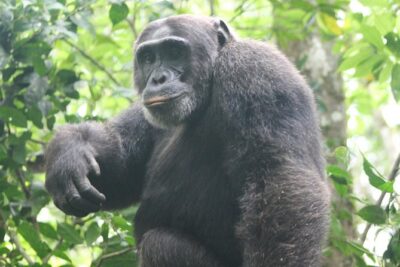
Kibale is known here for 15 primate species, including chimpanzees, black and white colobus monkeys, and mangabeys. The following morning begins with breakfast and a briefing at park headquarters before you enter the forest with a guide.
Chimpanzee tracking is not a drive-by sighting. You walk through forest trails while looking and listening for the animals. Once you find the group, the planned viewing time is one hour. You can watch feeding, movement, and social behavior, while the guide explains what is happening around you.
Other possible sightings include L’Hoest monkeys, colobus monkeys, and baboons. Keep your eyes open for forest birds such as the African broadbill and Ross’ turaco, along with butterflies and unusual plants. The forest can be rewarding even during the wait for chimpanzees, but you should be ready for walking and changing conditions under the trees.
The afternoon visit to Bigodi Wetland Sanctuary gives the day a useful second half. The wetland is known for colobus and blue monkeys and for strong birdlife. A community walk in Bigodi adds local contact to the forest visit, making this more than a primate checklist.
Queen Elizabeth combines salt, savanna, and water
The route continues to Queen Elizabeth National Park on day six. The first stop is Katwe Wildlife Sanctuary and its salt lake. You learn how salt is extracted and how both older methods and past industrial efforts shaped local work.
This is a worthwhile pause because it connects the park to people who live and work around it. Fishing on Lake Edward and salt production are not side notes here. They are part of the local economy, and the visit gives you a clearer sense of how wildlife areas function beyond game drives.
Nearby Lake Munyanyange is noted for more than 40 bird species, including flamingos, geese, gulls, and terns. Later, an evening drive on the Kasenyi plains brings you back to mammals. Elephants, buffaloes, Uganda kob, warthogs, and waterbucks are among the animals you might see.
The next morning includes another drive across Kasenyi before lunch and a boat safari on the Kazinga Channel. This channel is famous for its large hippo population, with Nile crocodiles and many birds along the banks. The water route is one of the strongest parts of the overall program because you can see animals gathered close together without the vehicle movement of a normal drive.
You might also see elephants and buffaloes near the water. The combination of morning savanna and afternoon channel gives Queen Elizabeth a good balance. Still, this is another early and full day, so the pace may wear you down if you prefer short outings.
More chimpanzee tracking in Kibale:
- 8-Day Murchison Falls, Chimp and Epic Gorilla Trekking
★ 5.0 · 32 reviews - 15-Day Gorilla and chimps Trekking, Big 5 and Nature Sighting Safari
★ 5.0 · 31 reviews - 5 Days Uganda Gorilla, Chimpanzee and Wildlife Safari
★ 5.0 · 29 reviews - 5 Day Gorillas, Wildlife and Kalinzu Forest Chimp Trek
★ 5.0 · 27 reviews
Ishasha adds a chance for tree-climbing lions
On the way toward Bwindi, the route passes through the Ishasha sector in southern Queen Elizabeth National Park. A morning photographic drive looks for the area’s famous tree-climbing lions.
These lions are not guaranteed to be in the branches, but Ishasha is included specifically for that possibility. You also look for buffaloes, elephants, and topi antelopes, with birdlife filling the spaces between larger sightings.
The road to Bwindi continues after lunch, and arrival is expected by evening. This is a scenic transition from savanna to thick forest, but it is also one of the more demanding days. If you are sensitive to long drives, ask for the expected road times and lodge locations before booking.
Gorilla trekking is the trip’s major commitment
Bwindi gorilla trekking requires the most physical preparation. You rise early, eat breakfast, pack a lunch, and attend a briefing about safety and forest etiquette. The group includes up to eight trekkers, an experienced guide, and armed rangers.
The walk to the gorilla family can take anywhere from 45 minutes to six hours, depending on where the animals are that day. That wide range matters. You should not book this program expecting a short stroll followed by an easy photo stop.
Wear long trousers, a long-sleeved shirt, waterproof shoes, a jacket, hat, and gloves. Bwindi’s weather can change, and the forest trails can be demanding. The route may also bring sightings of forest elephants and unusual birds, but the gorillas are the clear focus.
Once the family is found, you spend one hour observing them. You may see young animals playing, adults feeding, and the silverback keeping watch over the group. The encounter is tightly timed, which protects the animals and keeps the visit focused.
For many people, this is the day that justifies the entire trip. It is also the day most likely to test your legs. I would pack lightly for the trek, keep rain protection accessible, and avoid scheduling an important flight immediately afterward.
Lake Bunyonyi gives you a quiet pause
After the gorilla trek, the program moves to Lake Bunyonyi for a morning boat cruise. The lake is described as Uganda’s deepest and Africa’s second deepest, and its many islands give the ride a story-based quality.
One stop is Akampene, often called Punishment Island. Your guide explains the grim history connected with unmarried pregnant girls who were taken there by the Kiga people. The story is difficult, but it adds social context to the scenic boat ride.
You travel by private motorized canoe with a guide, which makes this a calmer experience after Bwindi. The day then continues toward Lake Mburo National Park. Again, the schedule covers a lot of ground, but the contrast is welcome: from thick forest and strenuous walking to open water and a quieter boat trip.
Lake Mburo and the final road to Entebbe
Lake Mburo provides a nature walk, a rare chance on this route to search for wildlife on foot. The walk lasts about two hours, giving you a different relationship with the park than a vehicle-based drive.
After the walk, the route heads toward Jinja. The program includes bungee jumping there, along with a stop at the equator for the water experiment, a look at the Coriolis effect, and photographs at the equator monument. The earlier tour description also mentions Jinja as an optional extension for rafting, so confirm which activity is included in your booking before you pay.
You then continue to Entebbe. This makes day 11 another long day, but the mix of walking, a possible adrenaline activity, and the equator stop breaks up the drive.
The final morning takes you to Nakiwoggo Landing Site for a small boat ride across Lake Victoria to Mabamba Swamp. The main target is the shoebill stork, one of Uganda’s most unusual birds and a fitting reason to reserve time near Entebbe.
You may also see weavers, herons, egrets, pelicans, cormorants, and jacanas. Mabamba is an Important Birding Area, so even an unsuccessful shoebill search can produce a worthwhile morning for bird lovers. After lunch, you prepare for your flight home.
Is $4,300 per person good value?
At $4,300 per person, this is a major purchase. Its value comes from the number of expensive and logistically difficult experiences bundled into one circuit: rhino tracking, chimpanzee tracking, gorilla trekking, several game drives, two boat trips, a city tour, Lake Bunyonyi, Lake Mburo, and Mabamba.
The route also reduces the need to arrange separate transfers between far-flung parks. Pickup is offered, and the group can reach a maximum of 15 people. That is not a tiny private departure, but it is still manageable compared with a large coach tour. The gorilla trekking group itself is listed as up to eight trekkers.
The cost makes more sense if you want to see many sides of Uganda in one visit. It makes less sense if you would rather spend four or five nights in one park, wait patiently for wildlife, or build in several rest days.
The strongest practical evidence is the planning and guiding. Hamza is specifically praised for individual attention, route planning, wildlife information, safe travel, and good suggestions for places to stay and things to see. That matters on a circuit with so many road sections.
Free cancellation is available if you cancel at least 24 hours before the local start time. Within 24 hours, the payment is not refunded, and late changes are not accepted.
Who should book this Uganda safari?
I would choose this program if you want a first Uganda trip with the country’s major primate encounters plus classic wildlife. It is also a good fit if seeing rhinos, gorillas, chimpanzees, and the shoebill in one journey matters more to you than having long stays in one place.
You should be comfortable with early breakfasts, six-hour touring days, changing weather, and a gorilla trek that could last up to six hours before the one-hour viewing period. The program suits active people who want a full schedule and do not mind road time.
I would think twice if you need a slow pace, have limited mobility for forest trekking, or want a luxury lodge holiday with little time in the vehicle. Ask about exact lodges, what the $4,300 includes, and whether your departure has bungee jumping or rafting in Jinja before confirming.
FAQ
Where does the 12-day safari begin?
The safari begins with pickup at Entebbe International Airport in Uganda. The first day includes a drive to Kampala and a city tour.
How long is the experience?
The planned duration is approximately 12 days.
How many people can join the tour?
The activity has a maximum group size of 15 people. The gorilla trek itself is described as including up to eight trekkers, along with a guide and armed rangers.
Where do you track chimpanzees?
Chimpanzee tracking takes place in Kibale National Park. The day also includes a visit to Bigodi Wetland Sanctuary.
Where does gorilla trekking take place?
Gorilla trekking takes place in Bwindi Impenetrable National Park. The trek to the gorilla family may take from 45 minutes to six hours, followed by one hour observing the gorillas.
Is pickup offered?
Yes. Pickup is offered, and the stated meeting point is Entebbe International Airport.
What is the cancellation policy?
You can receive a full refund if you cancel at least 24 hours before the experience begins. Cancellations or changes made within 24 hours are not refunded or accepted.
Should you book it?
Book this safari if you want a broad, active introduction to Uganda and value the chance to combine the Big Five with chimpanzees, gorillas, and a shoebill. The route is ambitious, and the long transfers are real, but the rewards are unusually varied.
My best advice is to confirm the exact lodge plan, gorilla permit arrangements, and Jinja activity before booking. If you accept the pace and prepare properly for the forest trek, this $4,300 circuit offers a strong amount of wildlife and cultural variety in 12 days.
More Treks around Kampala
- 3-Day Tour to Uganda – Gorilla Trekking Bwindi Forest
★ 5.0 · 51 reviews - Private 3 Day Gorilla Trekking Safari in Uganda
★ 5.0 · 36 reviews - 3-Day Gorillas trekking and Batwa Experience
★ 5.0 · 27 reviews - 3 Days Bwindi Gorilla Trekking tour
★ 5.0 · 22 reviews
More Big 5 Wildlife Safaris
- 3 Days Murchison Falls Adventure Wildlife Safari Uganda Tour
★ 5.0 · 61 reviews - 3-Day Ultimate Big Five Safari – Murchison Falls & Rhinos
★ 5.0 · 55 reviews - 4-Day Uganda Gorilla Trekking and Wildlife Safari
★ 5.0 · 37 reviews - 3-Days Murchison Falls Vacation Including Big 5 Sighting!
★ 5.0 · 23 reviews
Just added around Kampala
- 7-Day Uganda Adventure Safari – Midrange Lodges★ 5.0 · 3 reviews
- Entebbe kampala airport transfers★ 5.0 · 3 reviews
- 5 days gorillas and chimpanzee tracking★ 4.5 · 3 reviews
- A Thrilling 1-Day Rhino Tracking Tour in Uganda★ 5.0 · 3 reviews
- 4-Day QENP, Gorillas in Bwindi and Lake Bunyonyi relaxation★ 5.0 · 3 reviews
- 3 Days Murchison Falls Wildlife Safari★ 4.5 · 3 reviews
- Kampala: Female-Guided Walking Tour★ 3.7 · 3 reviews
- 3 Days Private Tour in Murchison Falls National Park★ 5.0 · 3 reviews
Gorilla Trekking, compared.
3 Days gorilla trekking Safari tour in Uganda
Read our review →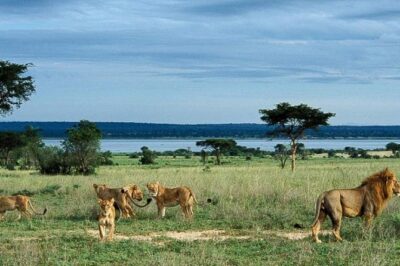
8-Day Murchison Falls, Chimp and Epic Gorilla Trekking Safari
Read our review →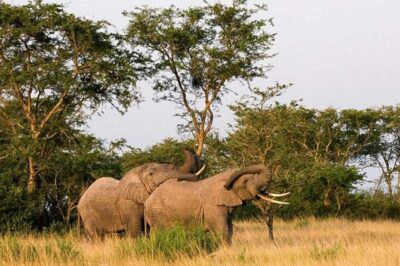
5-Day Pearl of Africa Chimps and Gorilla Trekking Safari
Read our review →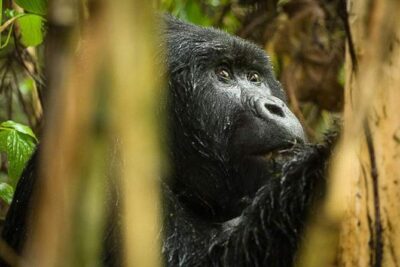
3-Day Tour to Uganda – Gorilla Trekking Bwindi Forest
Read our review →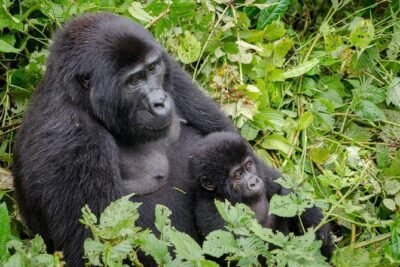
4-Day Uganda Gorilla Trekking and Wildlife Safari
Read our review →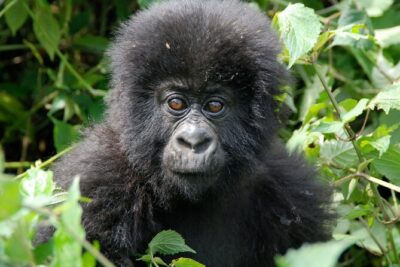
Private 3 Day Gorilla Trekking Safari in Uganda
Read our review →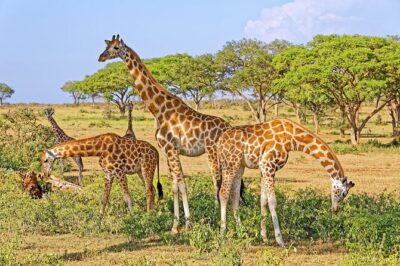
15-Day Gorilla and chimps Trekking, Big 5 and Nature Sighting Safari
Read our review →Browse the lists this tour appears in