
Reviewed · KAMPALA TOURS
10-Day Big-7 Private Tour Experience in Uganda Safari
Uganda’s Big-7 safari brings together the classic five African animals, plus mountain gorillas and chimpanzees. In ten days, you move from rhino country to Murchison Falls, Kibale, Queen Elizabeth, Bwindi, Lake Bunyonyi, and Lake Mburo. That is a lot of Uganda in one trip, but the mix is unusually strong.
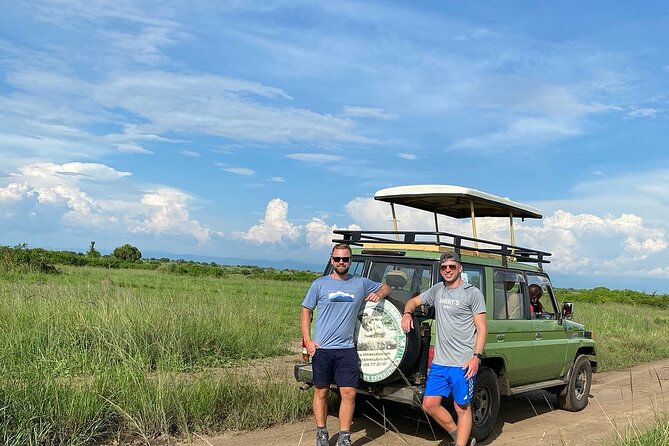
I especially like two things here: the private 4X4 with a pop-up roof, which gives you room to watch and photograph animals, and the steady change of pace between game drives, boat safaris, forest walks, and primate treks. Guide Sula, known as the Catman, is a name worth requesting if he is available. The main drawback is cost: the advertised $3,215 per person does not include the $700 gorilla permit or the $200 chimpanzee permit, so the real starting total is $4,115 before drinks, visas, and insurance.
Key points to know before booking
- Five parks in ten days: You cover Murchison Falls, Kibale Forest, Queen Elizabeth, Bwindi, and Lake Mburo, with Lake Bunyonyi as an optional stop.
- The two major primate permits cost extra: Add $700 for gorilla trekking and $200 for chimpanzee tracking.
- Boat safaris are included: The Nile and Kazinga Channel cruises give you close views of hippos, crocodiles, elephants, birds, and buffaloes.
- Rhino tracking is done on foot: Ziwa Rhino Sanctuary gives you a guided look at Uganda’s rhino restoration work.
- This is an active trip: Gorilla treks can last 3 to 7 hours, and several days include long drives.
- You travel privately: Only your group takes part, with an English-speaking driver-guide and armed Uganda Wildlife Authority ranger support on game drives.
Why this Uganda safari has such a strong wildlife mix
Many African safaris focus on open grassland and the familiar Big-5. This route adds Uganda’s great primate experiences without giving up traditional game viewing.
You begin with rhinos, then look for lions, leopards, elephants, buffaloes, giraffes, hippos, and antelopes. Later, the trip shifts into forest, where chimpanzees and mountain gorillas become the main event. The result is less about ticking off animals from a list and more about seeing how sharply Uganda’s habitats change.
The tour starts and ends in Entebbe, with pickup available from Kampala or Entebbe at about 6:00 to 6:30 in the morning. You travel in a 4X4 safari vehicle with a pop-up roof. That matters on game drives because you can stand for a clearer view and better photographs.
The private format also gives you more control than a large group trip. You can ask questions, adjust your position for photographs, and discuss wildlife sightings with one guide. The route is still fixed enough that you should expect early starts, full days, and substantial time on the road.
More safaris around Kampala:
- 3 Days gorilla trekking Safari tour in Uganda
★ 5.0 · 121 reviews - 8-Day Murchison Falls, Chimp and Epic Gorilla Trekking Safari
★ 5.0 · 72 reviews - 3 Days Murchison Falls Adventure Wildlife Safari Uganda Tour
★ 5.0 · 61 reviews
Day 1: Rhinos on foot, then Murchison Falls
The first morning begins early, with a northbound drive from Kampala or Entebbe to Ziwa Rhino Sanctuary. The visit lasts about four hours and includes guided rhino tracking on foot.
This is a fine opening because it puts you close to one of Uganda’s important conservation projects. You are not simply watching rhinos from a vehicle. You walk with trained guides who explain the animals and the work involved in restoring rhinos in Uganda.
Afterward, you stop for lunch and continue toward Murchison Falls National Park. The drive to the northern bank takes about three hours, followed by a Nile crossing and a short drive to Pakuba Lodge, inside the park on the wildlife side of the river.
A late afternoon game drive runs for about three hours. This is your first broad wildlife search, with possible sightings of lions, giraffes, elephants, leopards, buffaloes, birds, and antelopes. The lodge’s position can also give you a chance to see animals before setting out.
The day is long. You leave early, spend hours driving, track rhinos on foot, and then go on safari. Still, the sequence makes sense: conservation first, classic wildlife second.
Day 2: Murchison Falls by vehicle, boat, and foot
Day two starts with an early morning game drive. Morning light is good for watching animals, and Murchison Falls is described as having more than 1,000 giraffes, along with rising elephant numbers linked to anti-poaching and conservation work.
The strongest part of the day comes after lunch, when you take a boat safari up the Nile toward Murchison Falls. The cruise lasts about two and a half hours. From the water, you can look for hippos, crocodiles, elephant herds, buffaloes, antelopes, monitor lizards, and many birds.
This is not just a rest from driving. The river lets you observe wildlife from a different angle, often at a calmer pace. Hippos and crocodiles are especially well suited to this kind of viewing, while elephants and buffaloes may gather along the banks.
Near the falls, you leave the boat and hike up to the top. The force of the water is the visual center of Murchison Falls, but the walk also adds a welcome physical element. You can see how quickly the Nile becomes calm after dropping through the gorge. The foam below the falls comes from churned vegetation, not pollution.
If the first day’s sunset drive does not work out, it may be fitted into this afternoon. A Uganda Wildlife Authority ranger joins the game drives, and late light can be useful for spotting predators. Your return to the lodge includes a ferry crossing to the Paraa side of the river.
Day 3: Bigodi Wetlands and the road to Kibale
The third day shifts from savannah to wetland and forest. At Bigodi Wetlands Sanctuary, you take a guided nature walk through a swamp area, often using raised plank paths.
Bigodi is particularly appealing if birds interest you. The large blue turaco is one of the headline sightings, and the wetland can also bring views of monkeys, butterflies, and other forest life. Chimpanzees from Kibale Forest may come here to forage, though sightings are not guaranteed.
A more unusual possibility is the sitatunga antelope. Its webbed toes help it move through swampy ground, making this a very different wildlife setting from the open plains of Murchison Falls or Queen Elizabeth.
The walk can take much of the day, with about eight hours listed for the stop. That timing includes the rhythm of a guided community experience rather than a quick roadside visit. Wear shoes that can handle damp paths, and keep your expectations flexible. Wetland wildlife is rewarding, but it does not behave on a schedule.
A few more Kampala trips to weigh up
- 3 Hours Guided Cycling Tour Across Lake Victoria
★ 5.0 · 151 reviews - Kampala’s Best Experience walking tour
★ 5.0 · 137 reviews - Lake Victoria Island Cycling Tour from Kampala
★ 5.0 · 120 reviews - Kampala Walking City Tours (Women Guided)
★ 5.0 · 115 reviews
Day 4: Chimpanzees, crater views, and Queen Elizabeth
After breakfast, you head to Kibale Forest headquarters for chimpanzee tracking. The trek takes about four hours and is guided. Kibale is also home to 13 primate types, so you may see several monkeys in addition to chimpanzees.
The forest setting is a major part of the appeal. Butterflies, unusual birds, plants, and tall trees keep the walk interesting even while you are searching for chimpanzees. The chimpanzees are habituated to people, but they remain wild animals, and the length of the encounter depends on where the group moves.
You then stop for lunch and drive about two and a half hours to Queen Elizabeth National Park. Before checking into Enganzi Game Lodge, the route takes you through the Katwe Explosion Craters.
This 27-kilometer drive reaches one of the park’s highest points, with views toward the Rwenzori Mountains, the Western Rift Escarpment, Lake George, Lake Edward, and the Kazinga Channel. It is a welcome change after the forest trek and a good reminder that this safari is about scenery as well as animals.
The day combines a physically active forest walk with a long transfer and a scenic drive. You should not think of it as a relaxed travel day.
Day 5: Queen Elizabeth’s sunrise game drive and Kazinga Channel
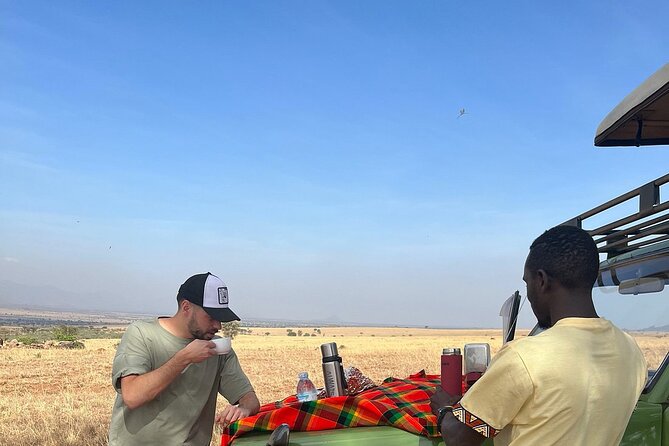
Queen Elizabeth National Park offers one of the route’s best all-purpose wildlife days. The first game drive begins around 6:30 in the morning, with the option to pick up a Uganda Wildlife Authority ranger.
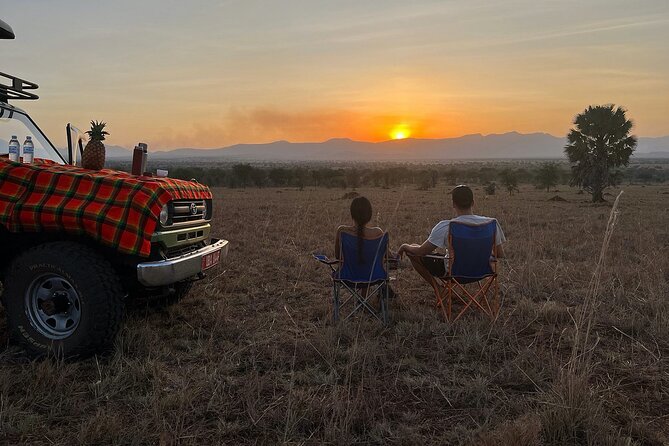
An early start gives you the best chance of seeing predators returning from a night hunt. The savannah is marked by candelabra euphorbia trees, and the open roof of the vehicle lets you stand for photographs.
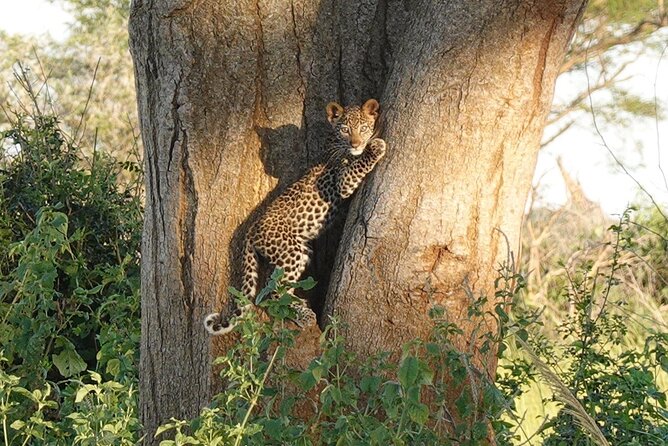
Possible sightings include lions, leopards, elephants, buffaloes, bush pigs, giant forest hogs, antelopes, hyenas, monitor lizards, and many savannah birds. No game drive can promise a particular animal, but the habitat supports a broad range of wildlife.
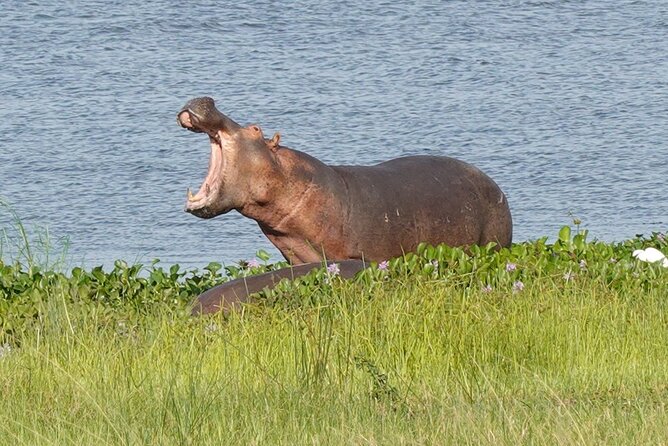
After lunch and a break, you take a two and a half hour boat safari on the Kazinga Channel. The channel is known for its large hippo population. From the boat, you may also see crocodiles, elephants, buffaloes, antelopes, monitor lizards, and animals along the shore.
Late afternoon light can be good for photographs, especially when a hippo opens its mouth or elephants gather near the water. If time permits, a short game drive follows the cruise.
Day 6: Ishasha lions and the approach to Bwindi
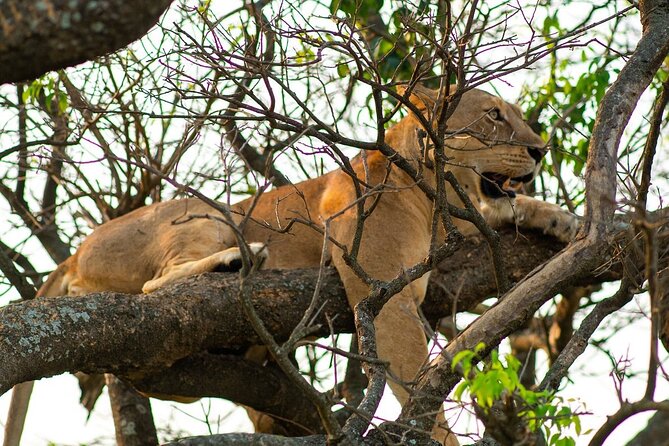
Day six is both a wildlife day and a transfer day. You leave Queen Elizabeth after breakfast and drive south toward the Ishasha region, where a game drive searches for tree-climbing lions.
Ishasha also supports elephants, topi antelopes, buffaloes, and leopards. The lions are the special target, but you should treat them as a possibility, not a guarantee. Wildlife sightings depend on location, weather, and timing.
After lunch at Savannah Resort, you continue to the Ruhija area of Bwindi Impenetrable Forest. Bakiga Lodge is your base before the gorilla trek.
This is one of the longest and more demanding travel sections of the trip. You spend much of the day in the vehicle, with a game drive in the middle. The reward is reaching the highland forest area before your gorilla permit day, rather than trying to make the transfer and trek on the same day.
Day 7: Gorilla trekking in Bwindi
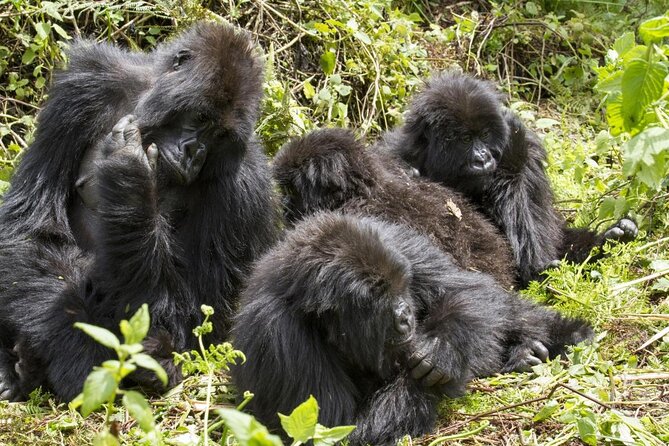
Gorilla trekking is the emotional center of the trip, but it is also the part that demands the most preparation. The trek can last from 3 to 7 hours, depending on the gorilla group’s movements. Many treks return before 1:00 in the afternoon, but you should plan for the longer possibility.
Bring a daypack, two liters of water, jeans, a long-sleeved shirt, a hat, sunglasses, tough gardening gloves, a light rain jacket, and hiking boots. The gloves are practical for holding branches and vines as you move through thick forest.
You can buy a walking stick and hire a porter, but both are optional and not included in the price. The porter can be useful even if your fitness is decent, since the forest can be steep and tangled. The tour requires a moderate fitness level.
The gorilla permit costs $700 and is separate from the tour price. Confirm that this permit is secured before you make nonrefundable travel plans. This is the one item you cannot treat as a minor add-on.
Day 8: Lake Bunyonyi as a recovery day
Lake Bunyonyi provides a slower day after the gorilla trek. The lake is framed by terraced hills and has 29 islands. Its calm setting gives you room to rest, take photographs, or choose an optional activity.
Swimming, dugout canoe trips, motorboat rides, island visits, hiking, and biking are listed as possibilities. These activities are not included in the safari price, so ask about costs before committing.
This day works best as a flexible pause rather than another packed sightseeing schedule. If your gorilla trek leaves you tired, you can simply enjoy the lake and the views. If you still have energy, the optional activities add local texture without another major wildlife drive.
Day 9: Lake Mburo’s smaller scale and open hills
The route heads toward Lake Mburo National Park after an early breakfast. The drive takes about five hours, with arrival around lunchtime.
Rwakobo Rock Lodge sits on a ridge above the park and has cottages and a swimming pool. The setting offers a change from the forest lodges and river-based accommodation earlier in the trip.
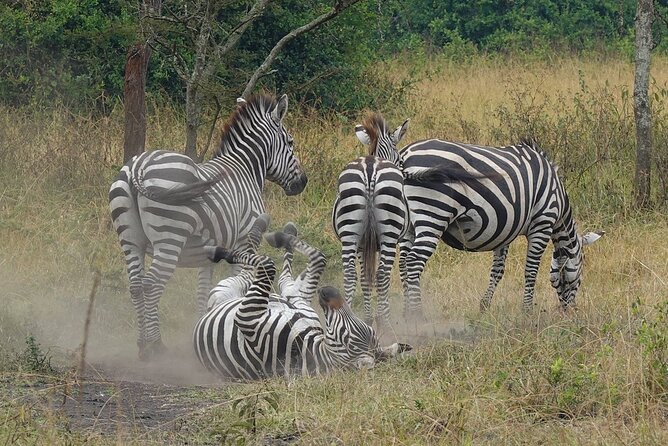
The afternoon game drive crosses rolling savannah. You may see eland, other antelopes, giraffes, Burchell’s zebras, and occasional leopards. Lake Mburo is not included because it matches Murchison Falls or Queen Elizabeth animal for animal. It is useful because it breaks the long return journey and offers a different scale of safari.
The park’s open hills and zebra sightings also give you a final chance to enjoy Uganda without the pressure of finding a particular Big-7 animal.
Day 10: A ranger walk, the Equator, and Entebbe
The final morning begins with a nature walk led by a Uganda Wildlife Authority ranger. The 90-minute walk goes to the Saltlick, where a viewing hide gives you a chance to watch wildlife.
A guided walk changes your attention. Instead of scanning far-off plains from a vehicle, you notice tracks, plants, sounds, and nearby animals. Afterward, you have lunch and begin the drive to Kampala or Entebbe.
A stop at the Equator provides the standard photo opportunity before you continue to your final destination. Arrival is expected in the late afternoon, though road conditions and the day’s timing can affect that estimate.
What the $3,215 price really covers
At $3,215 per person, this is not a budget holiday. But the price includes lodging, meals, airport transfers, park entry fees, the 4X4 vehicle, driver-guide service, bottled water, the Nile boat trip, the Kazinga Channel cruise, rhino tracking, the Bigodi walk, game drives, and the Murchison Falls hike.
The important calculation is the permits. Gorilla trekking adds $700, and chimpanzee tracking adds $200. That brings the listed total to at least $4,115 per person before visas, insurance, alcoholic and fizzy drinks, laundry, optional Lake Bunyonyi activities, walking sticks, and porters.
For a private ten-day trip covering five parks, the included transport, meals, park fees, and guided activities give the package real value. The price makes more sense for two or more people sharing a private vehicle, though the quoted rate is per person and group discounts are offered.
Who will enjoy this route most
You should consider this safari if gorillas and chimpanzees are as important to you as lions and elephants. It suits people who want one organized trip rather than separate bookings for primate trekking, classic safari, and transfers.
It is also a good fit if you prefer private travel and want an English-speaking guide. The strongest personal praise has centered on guide Sula, called the Catman, for wildlife spotting and insight into local life and culture. Ask for him when you inquire, but do not assume he is available.
This is less suitable if you want slow mornings, luxury lodging, or short drives. Several days are long, the gorilla trek can be strenuous, and the route covers a great deal of ground.
Pickup is available, mobile tickets are offered, and confirmation comes at booking. The cancellation terms are simple: cancel at least 24 hours before the local start time for a full refund. Within 24 hours, the payment is not refunded.
FAQ
Where does the safari start and finish?
The safari starts and ends in Entebbe, Uganda, with pickup offered from Kampala or Entebbe.
How long does the experience last?
The tour lasts approximately 10 days, beginning around 6:00 to 6:30 in the morning on the first day.
Is this a private tour?
Yes. Only your group participates, using a private 4X4 safari vehicle.
Are gorilla and chimpanzee permits included?
No. The Bwindi gorilla permit costs $700, and the Kibale chimpanzee tracking permit costs $200. Both are separate from the tour price.
What meals are included?
The package includes 10 lunches, 9 breakfasts, and 9 dinners, including meals outside the lodges when required by the route.
Are the boat safaris included?
Yes. The Nile River boat safari at Murchison Falls and the Kazinga Channel boat safari are included.
How difficult is the gorilla trek?
A moderate fitness level is required. The trek can last 3 to 7 hours, and hiking boots, water, gloves, long sleeves, and a light rain jacket are recommended.
Can I cancel for a full refund?
Yes, if you cancel at least 24 hours before the experience start time. Cancellations within 24 hours are not refunded.
Should you book the Big-7 Uganda safari?
Book it if you want Uganda’s major highlights in one carefully connected route: rhinos on foot, classic game drives, two excellent boat safaris, chimpanzees, mountain gorillas, crater views, wetlands, and a final ranger walk.
Before paying, budget the two primate permits and confirm the gorilla trekking date. Ask about guide Sula, check which lodging level is assigned, and be honest about your comfort with long drives and active days.
For a private safari that combines Uganda’s primates with its best-known wildlife, this is a strong choice. Its value comes from the range of included activities and the private vehicle, not from a leisurely pace or a low final cost.
Just added around Kampala
- 7-Day Uganda Adventure Safari – Midrange Lodges★ 5.0 · 3 reviews
- Entebbe kampala airport transfers★ 5.0 · 3 reviews
- 5 days gorillas and chimpanzee tracking★ 4.5 · 3 reviews
- 3 Days Murchison Falls Wildlife Safari★ 4.5 · 3 reviews
- A Thrilling 1-Day Rhino Tracking Tour in Uganda★ 5.0 · 3 reviews
- 4-Day QENP, Gorillas in Bwindi and Lake Bunyonyi relaxation★ 5.0 · 3 reviews
- Kampala: Female-Guided Walking Tour★ 3.7 · 3 reviews
- 3 Days Private Tour in Murchison Falls National Park★ 5.0 · 3 reviews
Kampala Tours, compared.
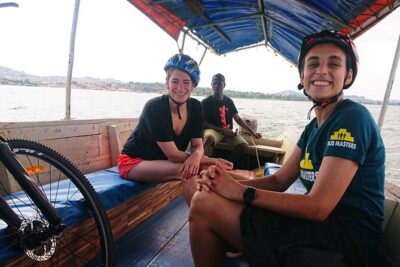
3 Hours Guided Cycling Tour Across Lake Victoria
Read our review →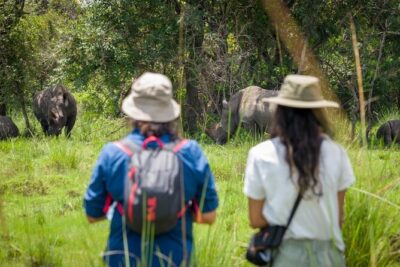
3 Days gorilla trekking Safari tour in Uganda
Read our review →
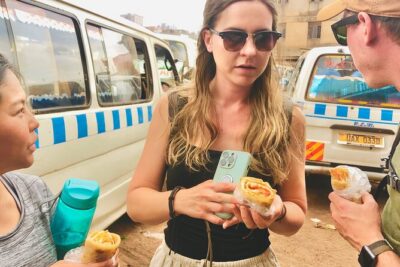
Steve Kampala Walking tours (Airpals Safaris tour)
Read our review →
8-Day Murchison Falls, Chimp and Epic Gorilla Trekking Safari
Read our review →
3 Days Murchison Falls Adventure Wildlife Safari Uganda Tour
Read our review →
Browse the lists this tour appears in